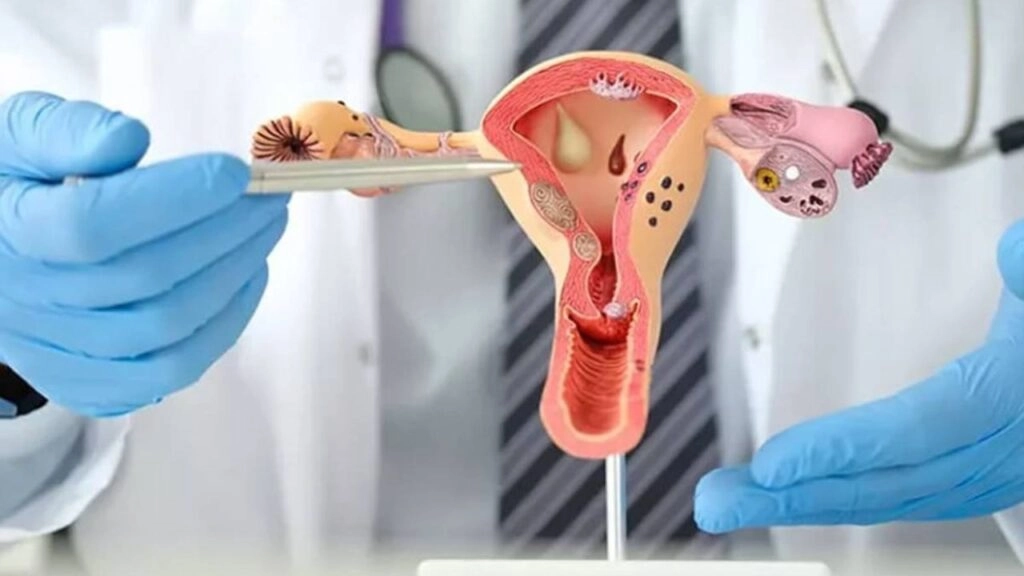
Polycystic Ovary Syndrome (PCOS) has become increasingly prevalent among young women, and recent studies suggest that certain everyday habits may be contributing to this rise. One of the primary factors is the growing prevalence of sedentary lifestyles. With the increased use of technology and the shift towards more desk-bound jobs, many young women are spending significant amounts of time inactive. This lack of physical activity can lead to weight gain and insulin resistance, both of which are major contributors to the development of PCOS. Regular exercise is crucial not only for maintaining a healthy weight but also for regulating hormonal balance, which is vital for women’s reproductive health.
Another habit that has been linked to the rise of PCOS is poor dietary choices. The modern diet, often characterized by high consumption of processed foods, sugars, and unhealthy fats, can disrupt hormonal balance. Diets low in nutrients and high in calories can lead to obesity, which is a major risk factor for PCOS. Additionally, the overconsumption of refined carbohydrates can cause spikes in insulin levels, exacerbating the symptoms of PCOS. Prioritizing a balanced diet rich in whole foods, fruits, vegetables, and lean proteins can help mitigate the risk and manage the symptoms of this condition.
Lastly, the stress levels experienced by young women today cannot be overlooked. The pressures of academic performance, career expectations, and social media can lead to chronic stress, which has a direct impact on hormonal health. Stress triggers the release of cortisol, a hormone that can interfere with the normal functioning of the reproductive system. Finding effective ways to manage stress, such as mindfulness, yoga, or other relaxation techniques, is essential for maintaining overall health and potentially reducing the risk of developing PCOS. By addressing these everyday habits, young women can take proactive steps towards better reproductive health and overall well-being.