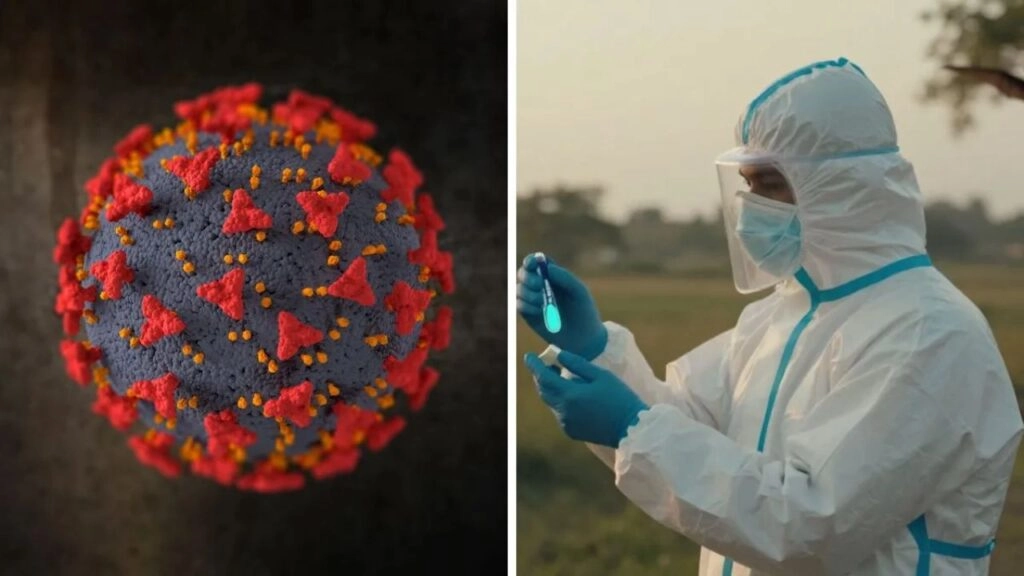
The Nipah virus outbreak in India has raised significant public health concerns, drawing attention to the importance of understanding this infectious disease. Nipah virus, which is known to cause severe respiratory illness and encephalitis in humans, is primarily transmitted through contact with infected bats or pigs, and can also spread through contaminated food or human-to-human contact. The recent cases in India have highlighted the virus’s potential for rapid transmission and the challenges faced by health authorities in controlling outbreaks.
The initial signs of Nipah virus infection typically include fever, headache, dizziness, and respiratory issues, which can progress to more severe symptoms such as seizures and encephalitis. The mortality rate for Nipah virus infections can be significant, ranging from 40% to 75%, depending on the outbreak and the healthcare response. As a result, timely diagnosis and intervention are crucial. Health officials in India have been mobilizing resources to monitor and contain the spread of the virus, emphasizing the importance of community awareness and prompt medical attention for those exhibiting symptoms.
Preventive measures are critical in controlling the spread of the Nipah virus. These include avoiding close contact with infected animals, practicing good hygiene, and ensuring food safety. Public awareness campaigns are essential in educating communities about the risks associated with the virus, especially in regions where outbreaks have been reported. Health authorities are also focusing on surveillance and research to better understand the virus and develop effective vaccines and treatments.
As the situation evolves, it is vital for the public to stay informed about the Nipah virus and follow guidelines provided by health officials. Collaboration between government agencies, healthcare providers, and the community is essential to mitigate the impact of the outbreak and prevent future incidents. Ongoing research and monitoring will be key in addressing this public health challenge and ensuring the safety of communities across India.