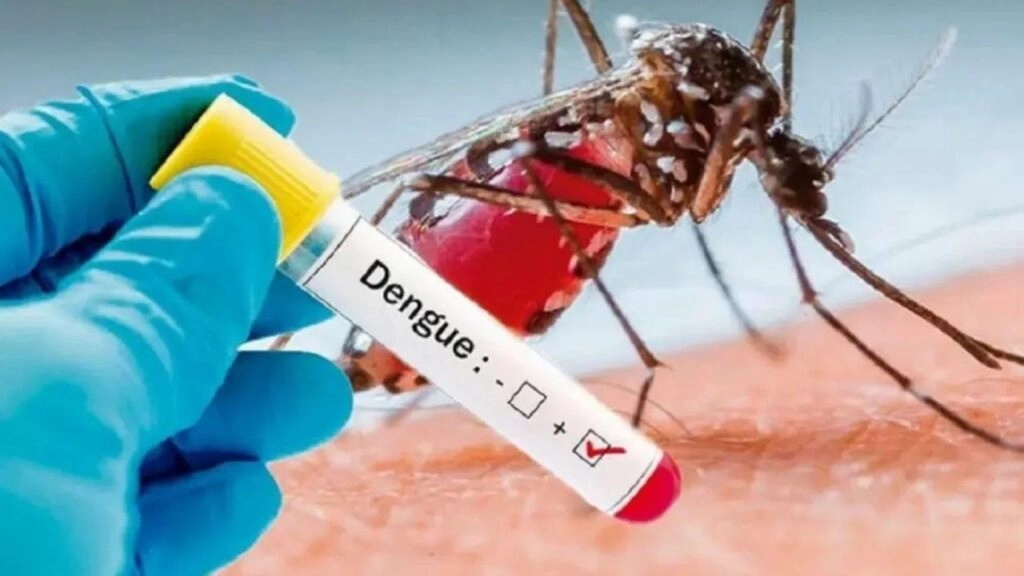
The resurgence of malaria in Nagpur has raised significant concerns among health officials as they analyze the alarming health statistics projected for 2026. This resurgence is attributed to various factors, including changing climate conditions, increased urbanization, and the movement of people from rural to urban areas. As temperatures rise and rainfall patterns shift, the breeding grounds for mosquitoes—the primary vectors for malaria—are expanding, leading to a higher incidence of the disease. Health officials are particularly worried about the potential for a public health crisis if effective measures are not implemented promptly.
In recent years, Nagpur has witnessed a notable increase in malaria cases, prompting officials to reassess their strategies for disease control and prevention. The data suggests that if current trends continue, the number of malaria cases could rise dramatically by 2026, straining the already limited healthcare resources in the region. This surge poses not only a health risk but also threatens economic stability, as a spike in malaria cases can lead to increased healthcare costs and loss of productivity among the workforce.
To combat this looming threat, health authorities are advocating for enhanced surveillance and community engagement initiatives aimed at raising awareness about malaria prevention. Public health campaigns focusing on the importance of using mosquito nets, applying insect repellent, and eliminating stagnant water sources are essential in curbing the spread of malaria. Furthermore, collaboration between governmental bodies and local communities is crucial to ensure that health services are effectively reaching those most at risk, particularly in low-income neighborhoods where healthcare access may be limited.
As Nagpur approaches 2026, it is imperative for stakeholders to come together to address the factors contributing to the resurgence of malaria. Comprehensive strategies that include both immediate interventions and long-term solutions will be key in mitigating this public health threat. The health of the population is at stake, and proactive measures are necessary to ensure that the city does not fall victim to a preventable disease that can have devastating effects on its residents and overall well-being.