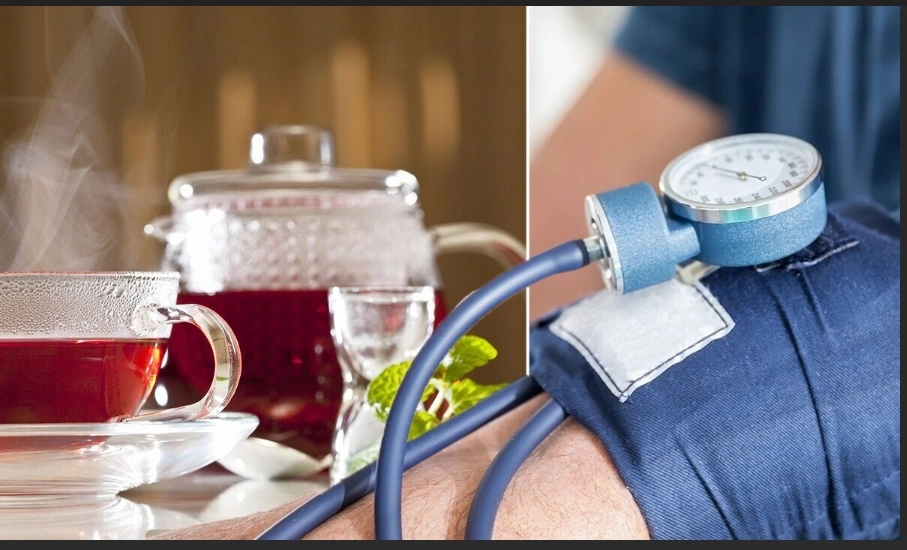
High blood pressure, or hypertension, is a common health concern that affects millions of people worldwide. Many individuals are often curious about the safety of consuming tea while managing their blood pressure. Generally, moderate consumption of tea can be beneficial for those with hypertension, as several types of tea contain compounds that may help support cardiovascular health. For instance, green tea is rich in antioxidants known as catechins, which have been shown to improve blood vessel function and may lead to lower blood pressure levels. Additionally, herbal teas such as hibiscus tea have gained attention for their potential to reduce blood pressure due to their high content of anthocyanins.
However, it’s essential to consider the caffeine content in certain types of tea. Black tea and some green teas contain caffeine, which can temporarily elevate blood pressure in some individuals, particularly if consumed in large quantities. For those who are sensitive to caffeine or have uncontrolled hypertension, it may be wise to opt for decaffeinated versions or herbal teas that are naturally caffeine-free. It is also advisable to limit the addition of sugar and cream, as these can contribute to weight gain and ultimately affect blood pressure levels.
Incorporating tea into a balanced diet can be beneficial, but it’s important for those with high blood pressure to monitor their overall lifestyle choices. Staying hydrated with water, eating a diet rich in fruits and vegetables, and engaging in regular physical activity are crucial components of managing hypertension. Consulting with a healthcare provider can also provide personalized advice tailored to individual health needs. Ultimately, enjoying tea in moderation, while making other healthy lifestyle choices, can be a delightful and potentially beneficial addition to a hypertension management plan.