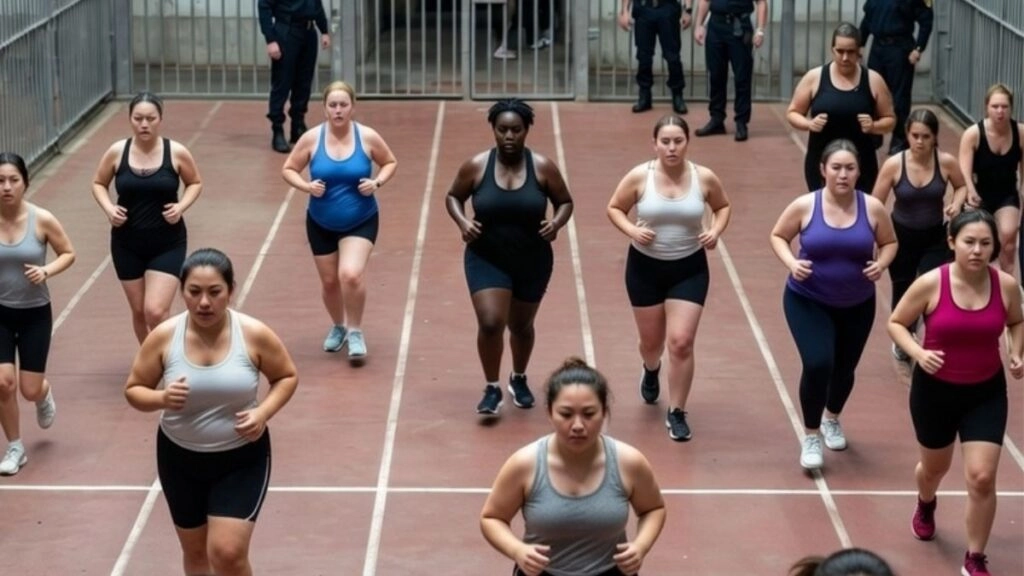
The concept of a “fat prison” in China has drawn significant attention due to its unique approach to addressing obesity and promoting fitness. Officially known as weight loss camps, these facilities aim to help individuals struggling with obesity through a combination of strict diets, intensive exercise regimens, and behavioral therapy. The term “fat prison” is often used colloquially to describe the rigorous and highly regimented environment within these camps, where participants face challenges that can be both physically and mentally demanding.
Inside these weight loss camps, participants undergo a transformation that is not just about losing weight but also about reshaping their lifestyles. The programs typically include a stringent diet plan that severely restricts caloric intake, alongside daily workouts that can last for several hours. In addition to physical activity, psychological support is also provided, as many individuals grapple with the emotional aspects of their weight loss journey. The camps are designed to foster discipline and resilience, pushing participants to confront their eating habits and relationship with food.
Critics of these camps argue that the methods employed can be harsh and may not always promote a healthy relationship with body image or food. The intense environment, while effective for some, can exacerbate feelings of shame or failure in others. Moreover, the societal pressure in China regarding body image and weight has raised concerns about the long-term implications of such extreme measures. Despite these criticisms, the demand for these facilities continues to grow, reflecting a broader cultural obsession with thinness and fitness that permeates modern Chinese society.
As the conversation around health and wellness evolves, the existence of “fat prisons” highlights the complexities of tackling obesity in a country where rapid urbanization and lifestyle changes have contributed to rising obesity rates. While these camps may offer a temporary solution for some, they also spark important discussions about the need for more sustainable and compassionate approaches to health and weight management. Ultimately, the challenge lies in finding a balance between promoting healthy lifestyles and fostering a positive self-image, ensuring that individuals are supported in their journeys toward wellness without resorting to extreme measures.