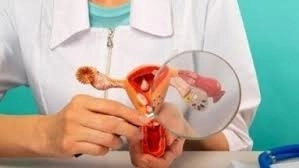
A hysterectomy is a surgical procedure that involves the removal of the uterus, and it can lead to significant changes in a woman’s body. Understanding these changes is crucial for anyone considering the surgery. One of the primary effects is hormonal imbalance, especially if the ovaries are removed during the procedure. The ovaries produce essential hormones such as estrogen and progesterone, which play vital roles in regulating the menstrual cycle and maintaining bone density, among other functions. Their removal can lead to symptoms akin to menopause, including hot flashes, mood swings, and vaginal dryness.
Another notable change is the impact on sexual health. Some women report alterations in libido and sexual function post-hysterectomy. While some may experience an increase in sexual satisfaction due to relief from conditions like endometriosis or fibroids, others may struggle with discomfort during intercourse or a decreased desire. It’s essential for individuals to discuss these potential changes with their healthcare providers to explore options for managing any adverse effects.
Additionally, a hysterectomy can affect urinary function and pelvic stability. Women may experience urinary incontinence or changes in bladder control, as the uterus plays a role in supporting pelvic organs. Furthermore, the surgery can alter the pelvic floor dynamics, leading to potential issues with pelvic organ prolapse. This underscores the importance of pelvic floor rehabilitation and exercises post-surgery to help mitigate these risks.
Another side effect is the psychological impact that may arise after the procedure. Women may experience a range of emotions, including relief, sadness, or anxiety, particularly if the hysterectomy was performed as a treatment for a serious health condition. It is vital for women to have a support system in place and to seek counseling if needed, as these feelings can be a normal part of the recovery process. Overall, being informed about these potential side effects can help women make educated decisions regarding their health and prepare for the changes that may follow a hysterectomy.