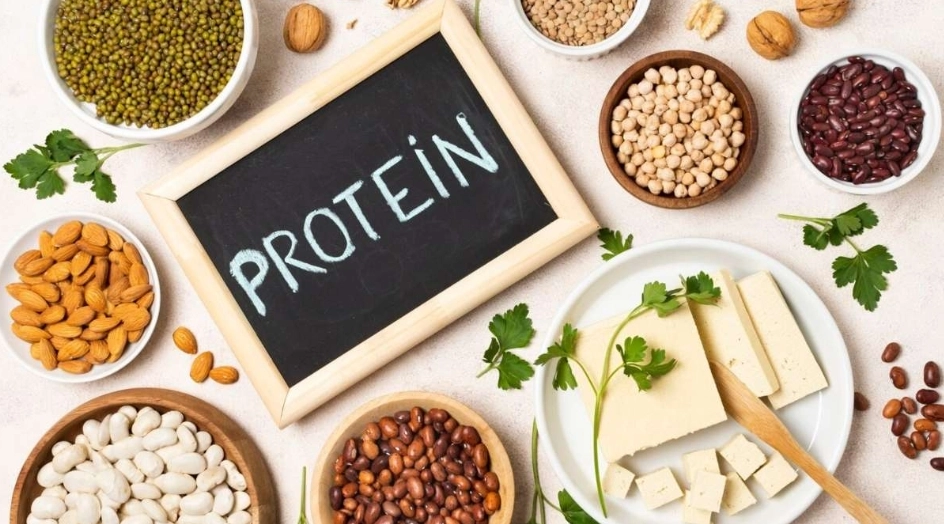
Excessive protein intake can pose significant health risks, leading to a variety of diseases and health issues. While protein is an essential macronutrient necessary for building and repairing tissues, maintaining muscle mass, and supporting overall bodily functions, consuming it in excessive amounts can have detrimental effects. This is particularly concerning for individuals who rely heavily on protein-rich diets, such as athletes or those following specific dietary trends.
One of the primary risks associated with high protein consumption is kidney damage. The kidneys filter waste products from the blood, and an overload of protein can increase the workload on these organs. Over time, this can lead to kidney dysfunction, especially in individuals with pre-existing kidney conditions. Furthermore, excessive protein can lead to dehydration, as the body requires additional water to eliminate the waste produced from metabolizing protein. This can create a vicious cycle, where dehydration further strains kidney function.
In addition to kidney issues, a high-protein diet can also increase the risk of heart disease. Many protein sources, particularly animal-based ones, are high in saturated fats and cholesterol. Consuming these in large quantities can raise cholesterol levels and contribute to the development of cardiovascular diseases. Moreover, replacing carbohydrates with proteins can lead to an inadequate intake of essential nutrients and fiber, which are vital for heart health and overall well-being.
Lastly, there is a potential link between high protein diets and certain types of cancer. Some studies suggest that diets rich in red and processed meats can increase the risk of colorectal cancer. While more research is needed to fully understand this connection, it highlights the importance of moderation and balance in dietary choices. Emphasizing a varied diet that includes fruits, vegetables, whole grains, and healthy fats alongside a moderate amount of protein can help mitigate these risks and promote a healthier lifestyle overall.