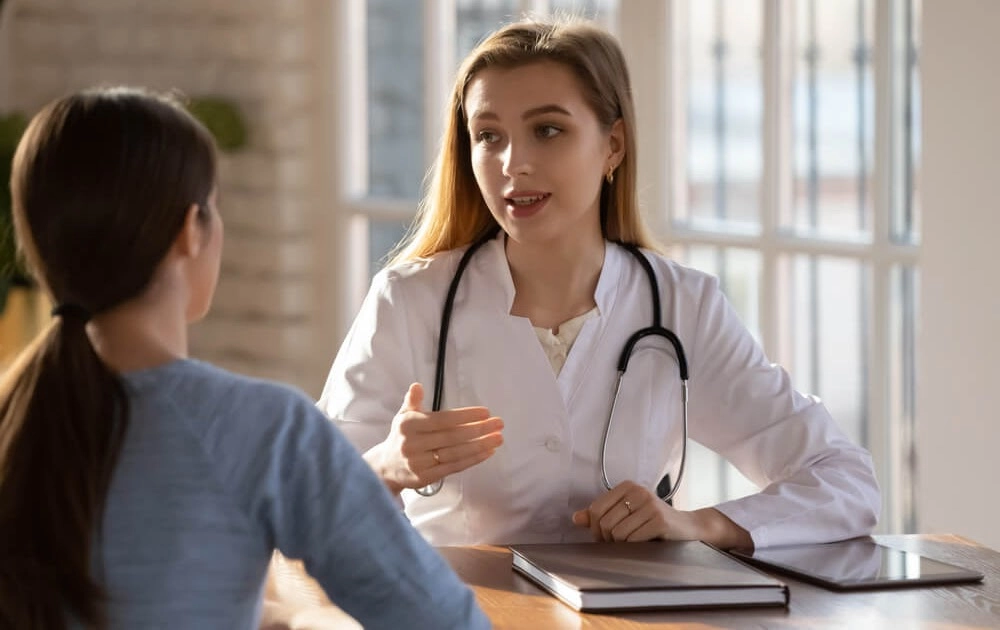
On International Women’s Day, it is crucial to raise awareness about health issues that predominantly affect women. Women are at a higher risk for certain diseases, and understanding these risks can empower them to take proactive steps toward maintaining their health. Here are five diseases that women should be particularly cautious of: heart disease, breast cancer, autoimmune disorders, osteoporosis, and mental health issues.
Heart disease is often underestimated as a primarily male issue, but it is the leading cause of death among women globally. Factors such as high blood pressure, high cholesterol, and obesity can significantly increase the risk. Women should prioritize regular check-ups, maintain a balanced diet, engage in physical activity, and avoid smoking to mitigate these risks.
Breast cancer remains one of the most prevalent cancers among women. Early detection through regular screenings and self-examinations can lead to better outcomes. Women should be aware of their family history and discuss any concerns with their healthcare providers. Additionally, lifestyle choices such as maintaining a healthy weight and limiting alcohol intake can contribute to reducing the risk.
Autoimmune disorders, which disproportionately affect women, can be challenging to diagnose due to their varied symptoms. Conditions like lupus and rheumatoid arthritis require awareness and timely medical intervention. Women should educate themselves about the signs and symptoms and seek medical advice if they experience unusual health changes.
Osteoporosis is another significant concern, especially as women age. It leads to weakened bones and increases the risk of fractures. To combat this, women should ensure adequate intake of calcium and vitamin D, engage in weight-bearing exercises, and consider bone density screenings as recommended by their healthcare providers.
Lastly, mental health issues such as anxiety and depression are prevalent among women, often exacerbated by societal pressures and responsibilities. It is essential for women to prioritize their mental well-being by seeking support when needed, practicing self-care, and fostering strong social connections. Recognizing these health risks is the first step toward empowerment, allowing women to take charge of their health and well-being.