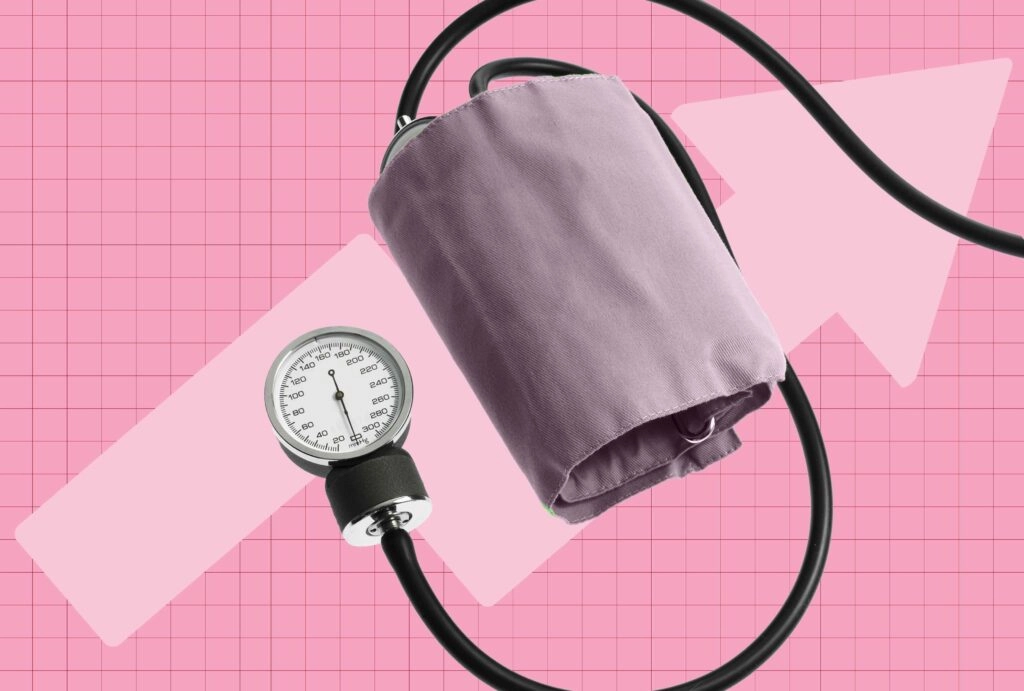
When an individual experiences high levels of stress, the body’s response can significantly impact blood pressure. Stress triggers the release of hormones such as adrenaline and cortisol, which prepare the body for a “fight or flight” response. This reaction leads to an increase in heart rate and constriction of blood vessels, both of which contribute to a rise in blood pressure. While this spike may be temporary in acute stress situations, chronic stress can result in persistently elevated blood pressure levels, potentially leading to hypertension.
Over time, sustained high blood pressure can have detrimental effects on overall health. It increases the risk of developing serious conditions such as heart disease, stroke, and kidney damage. Additionally, chronic stress may lead to unhealthy coping mechanisms, such as overeating, smoking, or excessive alcohol consumption, further exacerbating the problem. Individuals under constant stress may find it challenging to engage in regular physical activity, which is crucial for maintaining healthy blood pressure levels.
Learning to manage stress effectively is vital for maintaining not only emotional well-being but also physical health, including blood pressure regulation. Techniques such as mindfulness, meditation, and deep breathing exercises can help mitigate the effects of stress on the body. Regular exercise, a balanced diet, and adequate sleep also play significant roles in managing both stress and blood pressure. By adopting healthier lifestyle choices and stress-reduction strategies, individuals can help maintain their blood pressure within a healthy range and improve their overall quality of life.