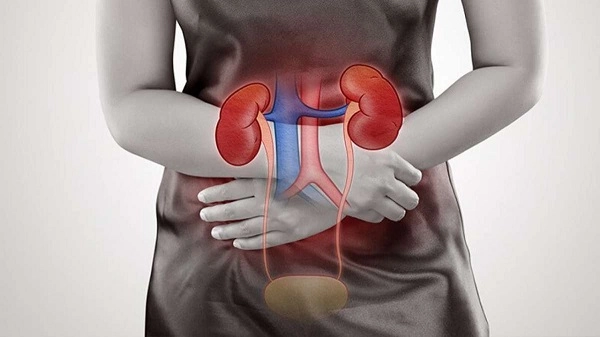
Kidney damage can often go unnoticed until it has reached a critical stage, making it essential to be aware of the subtle signs that indicate potential issues. Symptoms of kidney damage may vary from person to person, but there are several common indicators that should not be ignored. These can include persistent fatigue, changes in urination patterns, swelling in the legs or around the eyes, and a sudden increase in blood pressure. Each of these symptoms can signal that the kidneys are not functioning properly, and they warrant immediate attention.
One of the most telling symptoms of kidney damage is changes in urinary habits. This can manifest as increased frequency of urination, particularly at night, or a decrease in urine output. In some cases, individuals may notice blood in their urine or experience foamy urine, which can indicate the presence of protein. These changes are crucial signals that the kidneys might be struggling to filter waste effectively. Additionally, swelling in the body, especially in the extremities, can occur due to the kidneys’ inability to regulate fluid balance, leading to excess fluid accumulation.
Another significant symptom is persistent fatigue or weakness, which can result from the buildup of toxins in the body that the kidneys are unable to eliminate. Furthermore, high blood pressure is closely linked to kidney health; when the kidneys are compromised, they may fail to regulate blood pressure effectively, leading to hypertension. These symptoms, while they may seem benign at first, can be indicative of serious underlying issues that require medical evaluation. Therefore, recognizing and addressing these signs promptly can be vital in preventing further kidney damage and ensuring overall health.
If you experience any of these symptoms, it is crucial to consult a healthcare professional for a thorough evaluation and appropriate tests. Early detection and intervention can make a significant difference in managing kidney health and preventing the progression of any potential damage. Taking proactive steps toward kidney care, including maintaining a balanced diet, staying hydrated, and managing chronic conditions like diabetes and hypertension, can also contribute to better kidney function and overall well-being.