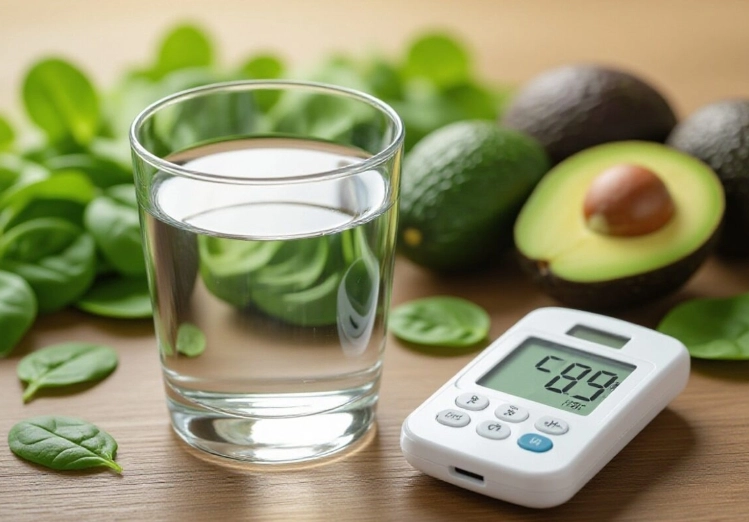
The relationship between water intake and cholesterol levels is a topic of interest for many health-conscious individuals. While drinking less water does not directly increase cholesterol levels, adequate hydration plays a crucial role in maintaining overall health, including heart health. Cholesterol, a waxy substance found in your blood, is essential for various bodily functions, but high levels can lead to cardiovascular issues. Staying properly hydrated can support the body’s ability to manage cholesterol levels effectively.
Water is vital for numerous bodily functions, including digestion, circulation, and temperature regulation. When the body is dehydrated, it may struggle to perform these functions optimally. This can lead to an increase in the concentration of substances like cholesterol in the blood. Dehydration can also affect liver function, where cholesterol is produced and regulated. Therefore, while not directly linked, insufficient water intake can create conditions that may contribute to unhealthy cholesterol levels over time.
The recommended daily water intake can vary based on factors such as age, gender, activity level, and climate. Generally, health experts suggest that adults drink about eight 8-ounce glasses of water a day, known as the “8×8 rule.” However, individual needs may differ, and it’s essential to listen to your body. Signs of dehydration include thirst, dry mouth, fatigue, and decreased urine output. By ensuring adequate hydration, individuals can support their overall health and potentially keep cholesterol levels in check, alongside other healthy lifestyle choices such as a balanced diet and regular exercise.