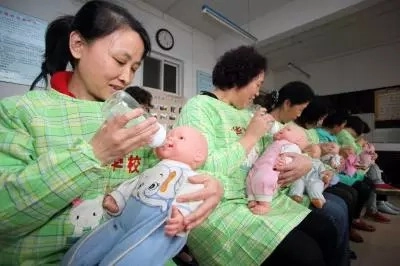
China is currently facing a significant demographic crisis, as the birth rate has plummeted to its lowest level since 1949. This alarming trend poses serious challenges for the nation, which has long been grappling with the implications of an aging society and a declining population. The government’s previous policies, particularly the one-child policy that was in place for several decades, have contributed to the current situation, leading to a demographic imbalance that is now becoming increasingly evident. With fewer children being born, the “emptying cradles” phenomenon is becoming a reality, intensifying the pressures on economic growth and social stability.
The implications of this demographic shift are profound. An aging population means a shrinking workforce, which can hinder economic development and innovation. As the number of elderly individuals rises, the burden on social services and healthcare systems is expected to increase significantly. This situation not only threatens the sustainability of pension systems but also raises concerns about the quality of care for the elderly. Moreover, the decrease in the birth rate exacerbates fears about the future labor force, which is crucial for maintaining productivity levels and supporting economic expansion.
In response to these challenges, Beijing is becoming increasingly anxious about the potential consequences of a declining birth rate. The government has implemented various measures to encourage higher birth rates, such as offering financial incentives for families and improving childcare services. However, these initiatives have yet to yield significant results, as many young couples cite financial burdens, housing costs, and changing social norms as reasons for delaying or forgoing parenthood altogether. The combination of an aging population and a low birth rate raises critical questions about China’s ability to sustain its economic growth and maintain social harmony in the coming years. The ongoing demographic crisis is not just a statistical concern; it represents a pivotal moment in the nation’s history that will shape its future trajectory.