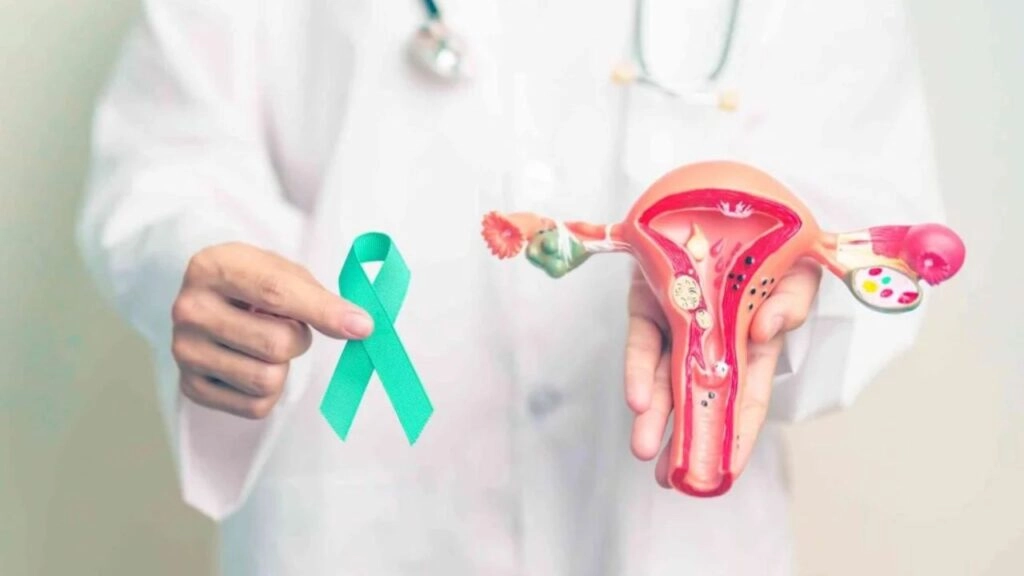
Cervical cancer remains a significant health challenge in India, claiming the lives of approximately 75,000 women each year. This staggering statistic highlights the urgent need for awareness and preventive measures against this disease. Cervical cancer primarily arises from persistent infection with high-risk types of human papillomavirus (HPV), a sexually transmitted virus. Many women may be unaware of their HPV status, as the infection often presents no symptoms in its early stages. Therefore, understanding the risks and implementing preventive strategies is crucial for women’s health.
One of the most effective ways to protect against cervical cancer is through vaccination. The HPV vaccine can significantly reduce the risk of developing cervical cancer, and it is recommended for girls aged 9 to 14, ideally before they become sexually active. Additionally, regular screening through Pap smears and HPV tests is essential for early detection. These screenings can identify precancerous changes in cervical cells, allowing for timely intervention and treatment. Women should consult their healthcare providers about when to start screening and how often it should be done based on their age and risk factors.
Furthermore, adopting healthy lifestyle choices can also play a vital role in reducing the risk of cervical cancer. Maintaining a balanced diet rich in fruits and vegetables, staying physically active, and avoiding tobacco use can strengthen the immune system and help the body fight off infections, including HPV. Engaging in safe sexual practices, such as using condoms and limiting the number of sexual partners, can also reduce the likelihood of HPV transmission. Education and awareness are key in empowering women to take charge of their health and make informed decisions regarding cervical cancer prevention.
In conclusion, the fight against cervical cancer in India requires a multifaceted approach involving vaccination, regular screening, and lifestyle modifications. By prioritizing awareness and education, we can significantly reduce the incidence and mortality associated with this preventable disease. Women are encouraged to seek information, consult healthcare professionals, and take proactive steps to safeguard their health, ensuring a brighter future for themselves and generations to come.