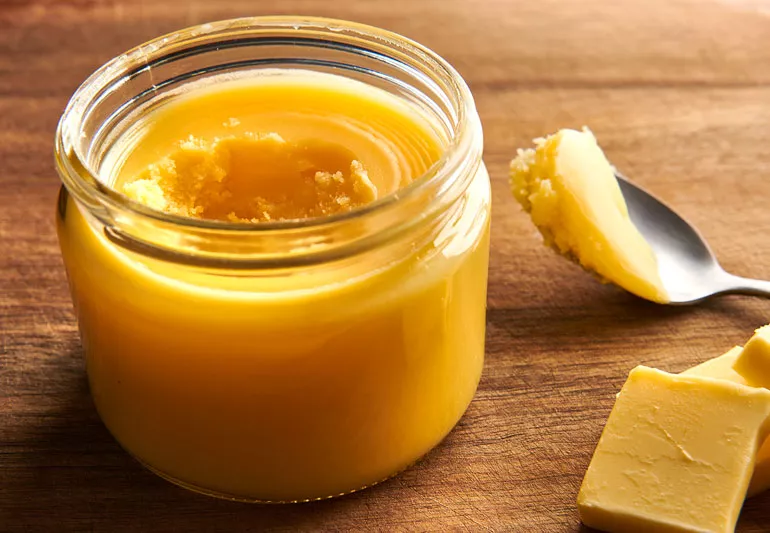
Ghee, a type of clarified butter commonly used in Indian cuisine, has gained attention for its potential health benefits, including its role in weight management and possibly reducing belly fat. Many people wonder if incorporating ghee into their diet can actually help them shed those stubborn inches around the waist. The answer is not straightforward, as it largely depends on how ghee is consumed and the overall dietary and lifestyle choices one makes.
To reap the benefits of ghee while aiming for weight loss, it is essential to understand the right method of incorporating it into your meals. Ghee is rich in healthy fats, particularly medium-chain fatty acids, which can boost metabolism and promote fat-burning. However, moderation is key; excessive consumption can lead to an increase in calorie intake, counteracting any weight loss efforts. Ideally, one should replace unhealthy fats in their diet with ghee, using it in cooking or as a flavor enhancer, while focusing on a balanced diet that includes plenty of fruits, vegetables, whole grains, and lean proteins.
Beyond its potential to aid in reducing belly fat, ghee also offers several other health benefits. It is a source of butyrate, a short-chain fatty acid known to support gut health and reduce inflammation. Additionally, ghee is lactose-free, making it a suitable option for individuals who are lactose intolerant. Furthermore, it contains fat-soluble vitamins, such as A, D, E, and K, which are essential for various bodily functions.
In conclusion, while ghee has the potential to support weight loss and promote belly fat reduction when consumed correctly and in moderation, it should not be viewed as a miracle solution. A holistic approach that includes a balanced diet and regular physical activity is crucial for effective weight management. By understanding how to properly incorporate ghee into your meals, you can enjoy its numerous health benefits while working towards your fitness goals.