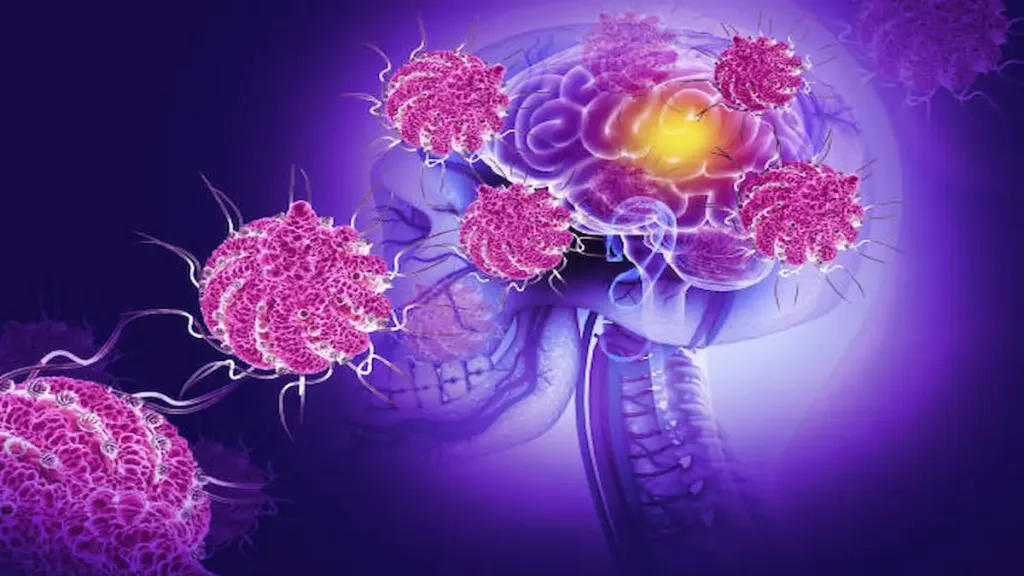
The brain-eating amoeba, scientifically known as Naegleria fowleri, is a rare but devastating organism that can cause a severe brain infection called primary amoebic meningoencephalitis (PAM). This amoeba is typically found in warm freshwater environments, such as hot springs, lakes, and poorly maintained swimming pools. Infection occurs when water containing the amoeba enters the body through the nose, usually during activities like swimming or diving. Once the amoeba reaches the brain, it can lead to rapid and severe symptoms that often result in fatal outcomes. Awareness of the symptoms is crucial for early detection; these may include severe headache, fever, nausea, vomiting, stiff neck, confusion, loss of balance, and seizures.
Preventing infection from Naegleria fowleri requires a combination of caution and awareness, especially in areas where the amoeba is known to thrive. To reduce the risk of exposure, it is advisable to avoid swimming in warm freshwater bodies, particularly during hot weather. Individuals should also refrain from submerging their heads underwater or engaging in activities that could force water up the nose. When using tap water for nasal rinsing or other purposes, it’s important to ensure it is boiled or treated to eliminate any potential pathogens, including the amoeba. Regular maintenance and chlorination of swimming pools are also essential to keep them safe and free from harmful microorganisms.
While Naegleria fowleri infections are extremely rare, understanding the risks and symptoms associated with this dangerous organism can help individuals take informed precautions. Education and community awareness can significantly reduce the likelihood of infection, especially in regions where the amoeba is endemic. If someone begins to exhibit symptoms after potential exposure, seeking immediate medical attention is vital, as early intervention can make a difference in outcomes. By remaining vigilant about water safety and recognizing the symptoms of PAM, individuals can protect themselves and their loved ones from this life-threatening infection.