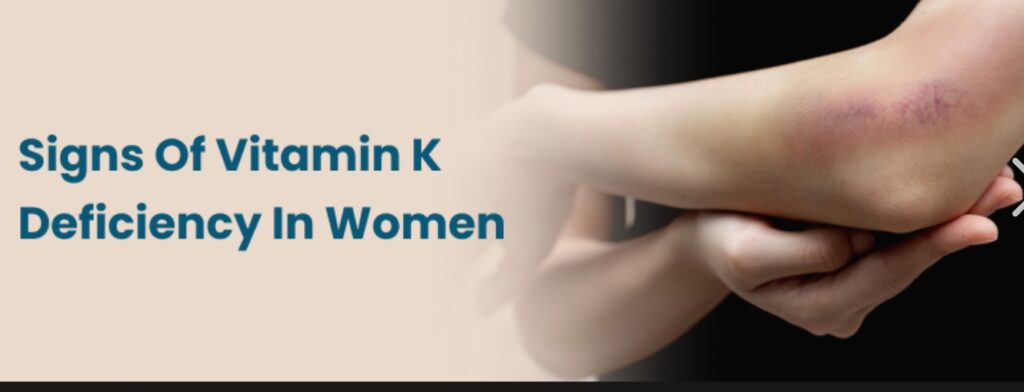
When the body begins to show signs of weakness and starts to bleed, it signals a critical situation that demands immediate attention. Weakness can manifest in various ways, such as fatigue, dizziness, or an inability to perform routine tasks, which may indicate an underlying health issue. When coupled with bleeding, this can be a serious concern, as it may suggest internal or external injuries, medical conditions, or even complications from existing health problems. It is essential to understand that these symptoms should not be ignored, as they can lead to further complications if not addressed promptly.
Bleeding, whether it is minor or severe, can lead to significant health risks, including shock, which occurs when the body does not get enough blood flow. This can affect vital organs and, if not treated quickly, may result in life-threatening situations. The causes of bleeding can vary widely, from injuries and accidents to medical conditions such as ulcers, blood clotting disorders, or even certain cancers. Recognizing the symptoms of excessive bleeding, such as persistent blood loss, changes in skin color, or rapid heart rate, is crucial in seeking timely medical intervention.
In such scenarios, it is vital to remain calm and take appropriate steps to manage the situation. If you or someone else experiences these symptoms, prioritizing a visit to a healthcare professional is imperative. They can conduct the necessary tests to diagnose the issue and provide the appropriate treatment. Additionally, maintaining a healthy lifestyle, including a balanced diet and regular exercise, can help strengthen the body and prevent such health crises in the future. Awareness and proactive health management can make a significant difference in outcomes when faced with weakness and bleeding.