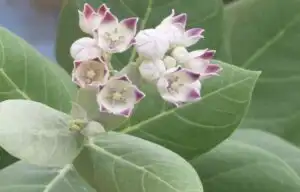
The aak plant, scientifically known as Calotropis gigantea, offers a myriad of benefits that have been appreciated in various cultures, particularly in traditional medicine. This plant is renowned for its medicinal properties, as it contains several bioactive compounds that can be harnessed for therapeutic purposes. Its leaves, flowers, and roots are utilized in the preparation of herbal remedies to address a range of health conditions. For example, the latex extracted from the aak plant has been traditionally used to treat ailments such as respiratory disorders, skin infections, and even digestive issues.
In addition to its medicinal uses, the aak plant is also valued for its ecological benefits. It is known to thrive in arid and semi-arid regions, making it an important species for soil conservation and erosion control. The plant’s deep root system helps bind the soil, preventing degradation and promoting sustainability in its native habitats. Furthermore, the aak plant is often utilized in agroforestry systems, where it can serve as a natural barrier against pests and provide shade for other crops, enhancing overall agricultural productivity.
Moreover, the aak plant is culturally significant in many communities. It is often used in religious rituals and traditional ceremonies, symbolizing purity and protection. The plant’s resilience and ability to flourish in harsh environments make it a symbol of endurance. Its aesthetic appeal, with large, vibrant flowers, also makes it a popular choice for ornamental gardening.
In summary, the aak plant is not only a valuable resource for traditional medicine but also plays a crucial role in promoting ecological balance and cultural heritage. Its multifunctional benefits make it an important plant for both health and environmental sustainability, and its continued use and study could lead to further discoveries in various fields, including pharmacology and agriculture. As awareness of its potential grows, the aak plant may find a more prominent place in modern practices, bridging traditional knowledge with contemporary applications.