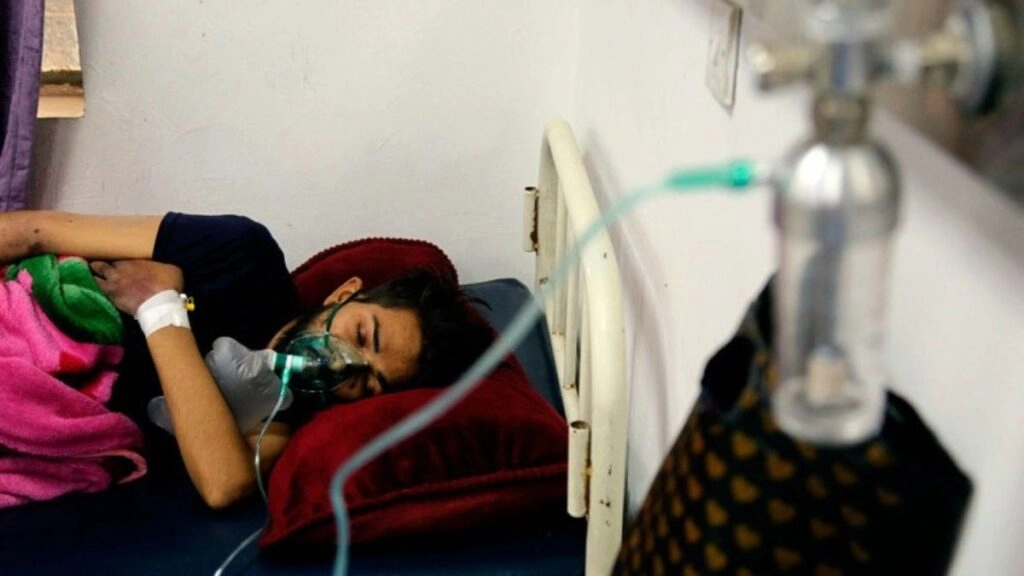
The question of whether we are failing children who could be cured in time is increasingly pertinent in today’s healthcare landscape. Many children suffer from various medical conditions that, if diagnosed and treated promptly, could lead to full recovery. However, systemic issues such as lack of access to medical care, insufficient awareness of certain health conditions, and disparities in healthcare delivery often result in delayed diagnoses and treatments. This not only affects the immediate health of these children but can also have long-term repercussions on their development and quality of life.
Furthermore, the emotional and psychological toll on both the children and their families cannot be overlooked. When a child is not receiving the care they need, parents often experience anxiety, frustration, and a sense of helplessness. The burden of navigating a complex healthcare system can be overwhelming, particularly for families who may lack resources or support. There is a critical need for increased awareness and advocacy for children’s health issues, as well as for the implementation of policies that ensure timely access to care.
Moreover, the advancements in medical technology and treatment options present a unique opportunity for improving outcomes for children. Early intervention can lead to better prognoses, yet many children remain untreated due to barriers such as socioeconomic status, geographic location, or cultural stigmas surrounding certain health conditions. By addressing these barriers and promoting early diagnosis and treatment, we can significantly reduce the number of children who suffer unnecessarily.
In conclusion, it is imperative that we reflect on our healthcare systems and the ways in which they may be failing vulnerable populations, particularly children. By fostering a more inclusive and responsive healthcare environment, we can ensure that every child receives the timely care they need to thrive. This requires a collective effort from healthcare providers, policymakers, and communities to prioritize children’s health and well-being, ultimately leading to a brighter future for all.