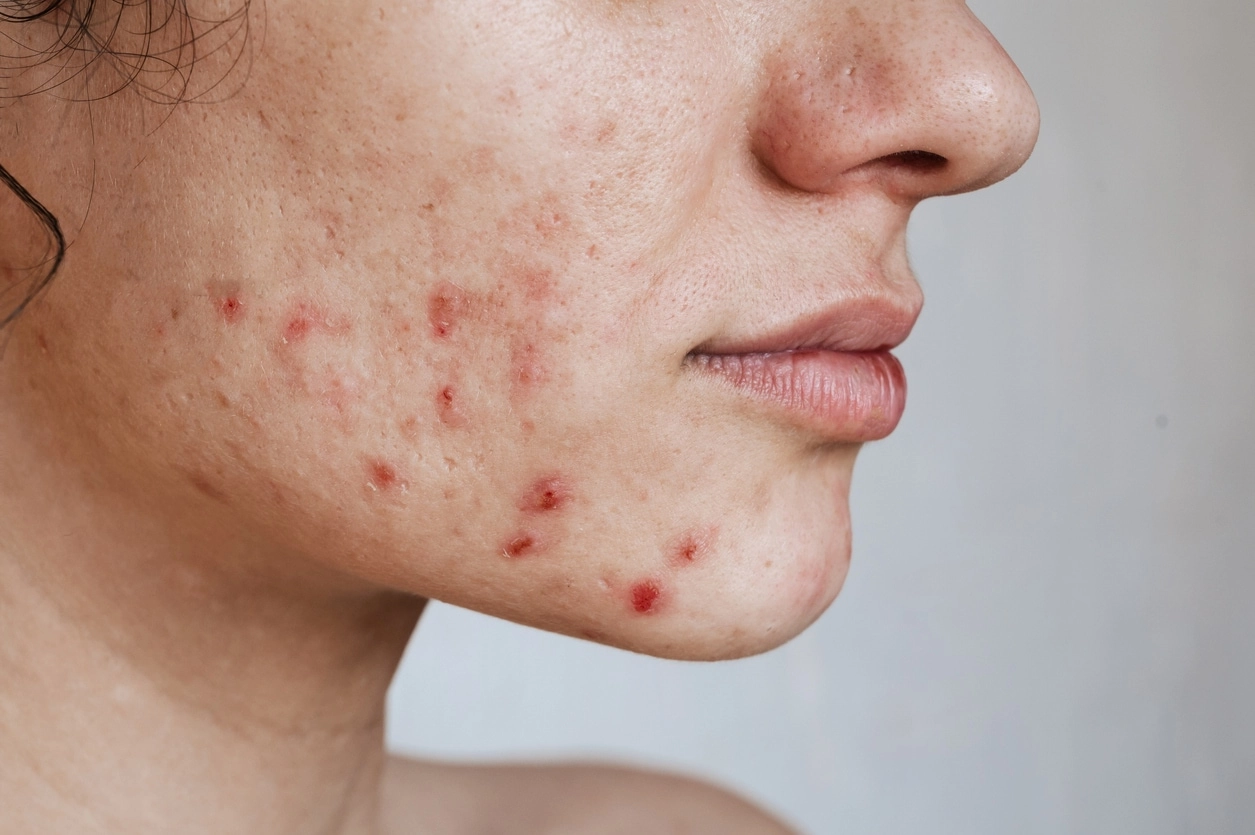
Acne is a common skin condition that affects individuals of all ages, and while hormonal fluctuations and genetics can play significant roles in its development, diet is another critical factor that should not be overlooked. Certain foods have been linked to increased acne flare-ups, and understanding these can help individuals make more informed dietary choices. Research suggests that high-glycemic foods, which lead to rapid spikes in blood sugar levels, can exacerbate acne. These foods include sugary snacks, white bread, and processed cereals. When consumed, they can trigger a cascade of hormonal responses that may increase oil production in the skin, leading to clogged pores and, ultimately, acne.
Dairy products are another category of food that some studies suggest could contribute to acne development. Milk, cheese, and yogurt contain hormones and bioactive molecules that may influence skin health. For instance, hormones present in cow’s milk can potentially stimulate oil production, making acne more likely. This connection appears to be particularly pronounced in skim milk, which has been associated with a higher incidence of acne in various studies. Thus, individuals struggling with breakouts might consider reducing their dairy intake to see if their skin condition improves.
In addition to high-glycemic and dairy products, certain types of fats can also play a role in acne flare-ups. Trans fats, commonly found in fried foods and many processed snacks, are known to promote inflammation in the body. This inflammation can exacerbate skin conditions, including acne. Similarly, diets high in omega-6 fatty acids, found in many vegetable oils, can lead to an imbalance that may contribute to skin issues. Instead, incorporating anti-inflammatory foods, such as those rich in omega-3 fatty acids like fish, flaxseeds, and walnuts, could be beneficial for maintaining clearer skin.
Lastly, foods that are high in refined sugars and carbohydrates, such as sugary beverages and sweets, can lead to increased insulin levels, which may further aggravate acne. These foods not only provide little nutritional value but also can trigger hormonal changes that promote oil production in the skin. By being mindful of these dietary choices and opting for whole, unprocessed foods, individuals may find a significant improvement in their skin health and a reduction in acne flare-ups. Ultimately, while diet alone may not be the sole cause of acne, understanding which foods to avoid can be a valuable step in managing this common skin condition.