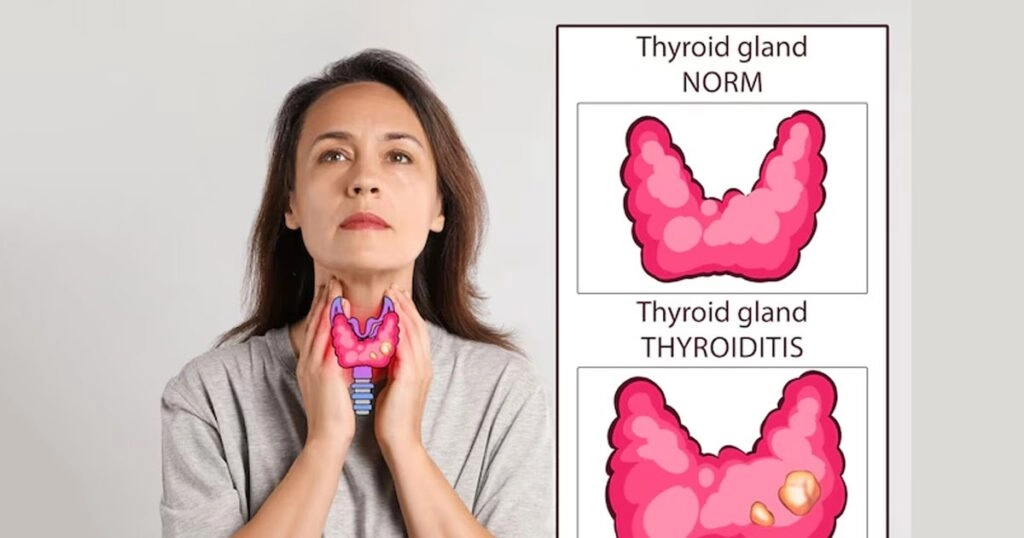
The rising incidence of thyroid disorders among women has become a significant health concern in recent years. Numerous studies indicate that women are disproportionately affected by conditions such as hypothyroidism and hyperthyroidism. Understanding the reasons behind this increase is critical for both prevention and management. Here are five major factors contributing to the rise of thyroid issues in women.
Firstly, hormonal fluctuations play a crucial role. Women experience various hormonal changes throughout their lives, particularly during puberty, pregnancy, and menopause. These fluctuations can affect thyroid function and lead to disorders. For instance, the postpartum period is a time when women may be particularly susceptible to thyroid dysfunction due to hormonal shifts and stress on the body.
Secondly, autoimmune diseases, which are more prevalent in women, significantly contribute to thyroid problems. Conditions such as Hashimoto’s thyroiditis and Graves’ disease are autoimmune disorders that directly affect the thyroid gland. The immune system mistakenly attacks the thyroid tissue, leading to either underproduction or overproduction of thyroid hormones. The higher prevalence of autoimmune disorders among women compared to men may explain the increasing rates of thyroid dysfunction in the female population.
Another contributing factor is environmental influences. Exposure to certain chemicals and pollutants, including heavy metals and endocrine disruptors, has been linked to thyroid dysfunction. Women may be more exposed to these harmful substances due to lifestyle choices or occupational hazards, which could elevate their risk of developing thyroid disorders. Furthermore, dietary factors, such as iodine intake and the consumption of goitrogenic foods, can also impact thyroid health.
Stress and lifestyle choices cannot be overlooked either. Chronic stress has been shown to affect the endocrine system, including thyroid function. Additionally, lifestyle factors such as lack of physical activity, poor diet, and insufficient sleep can exacerbate thyroid issues. Women often juggle multiple responsibilities, which can lead to increased stress levels and unhealthy lifestyle habits that may further contribute to thyroid dysfunction.
In conclusion, the rising incidence of thyroid disorders in women can be attributed to a combination of hormonal changes, autoimmune diseases, environmental factors, and lifestyle choices. Increased awareness and proactive management of these factors can help mitigate the risks associated with thyroid dysfunction, ultimately leading to better health outcomes for women.