Experts have identified several high-fiber foods that can play a significant role in reducing the risk of colorectal cancer. Fiber is crucial for maintaining a healthy digestive system, and its consumption is linked to numerous health benefits, including a lower risk of various types of cancer. By incorporating high-fiber foods into your diet, you not only support digestive health but also potentially decrease your chances of developing colorectal cancer.
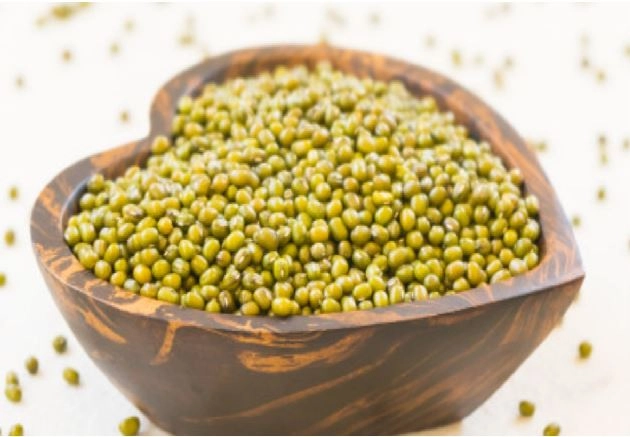
One of the most recommended high-fiber foods is legumes, which include beans, lentils, and peas. These foods are not only rich in fiber but also packed with nutrients that can help promote overall health. Research indicates that individuals who consume legumes regularly may experience a reduced risk of colorectal cancer due to their ability to improve gut health and promote regular bowel movements.
Whole grains are another essential component of a high-fiber diet. Foods such as brown rice, quinoa, and whole wheat bread provide substantial amounts of dietary fiber. Whole grains contribute to a feeling of fullness, which can help in maintaining a healthy weight—a key factor in cancer prevention. Studies have shown that people who consume whole grains have a lower risk of colorectal cancer compared to those who primarily eat refined grains.
Fruits and vegetables are also vital for a fiber-rich diet. Foods like apples, berries, broccoli, and carrots are not only delicious but also rich in dietary fiber. They provide essential vitamins and minerals that support overall health. Consuming a variety of fruits and vegetables can enhance digestion and reduce inflammation, further lowering the risk of cancer. Furthermore, these foods often contain antioxidants, which may help protect cells from damage.
Incorporating these high-fiber foods into your daily meals can be a simple yet effective strategy to promote better health and reduce the risk of colorectal cancer. By making mindful dietary choices, such as opting for whole grains, legumes, fruits, and vegetables, individuals can take proactive steps toward improving their health and well-being.