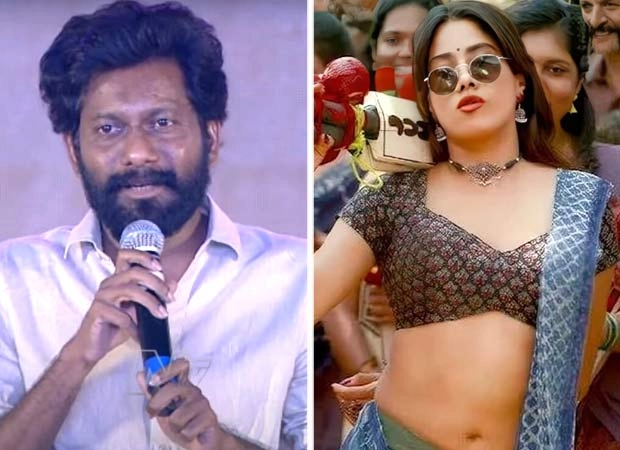
Sandeep Reddy Vanga recently defended his film duology, “Dhurandhar,” amidst criticisms that label the narrative as propaganda. In an industry where artistic expression often faces scrutiny, Vanga emphasized the importance of exploring bold themes and storytelling techniques. He addressed the notion that truth has been increasingly categorized as propaganda, suggesting that this labeling can diminish the impact of genuine narratives that aim to portray real-life complexities and societal issues.
Vanga believes that storytelling should challenge norms and provoke thought, rather than simply conform to conventional expectations. By pushing boundaries, he aims to create a cinematic experience that resonates with audiences on a deeper level. His commitment to authentic storytelling is evident in his work, which often delves into the intricacies of human emotions and moral dilemmas, even if some viewers may misinterpret the intent behind his films.
In response to Vanga’s remarks, filmmaker Aditya Dhar expressed his agreement with the challenges faced by directors who dare to present unfiltered truths. Dhar noted that the film industry often grapples with the fine line between artistic freedom and public perception. He acknowledged that while some may misconstrue the intent of a film, it is crucial for filmmakers to remain steadfast in their vision and continue to explore narratives that reflect the realities of life, even if they are uncomfortable or controversial.
Ultimately, both Vanga and Dhar highlight the essential role of cinema in sparking dialogue and reflection within society. By standing firm in their creative choices, they hope to inspire a greater appreciation for the nuanced storytelling that can emerge from addressing difficult subjects. The conversation around “Dhurandhar” and its thematic elements serves as a reminder of the ongoing debate within the film community regarding the balance between truth, art, and audience interpretation.