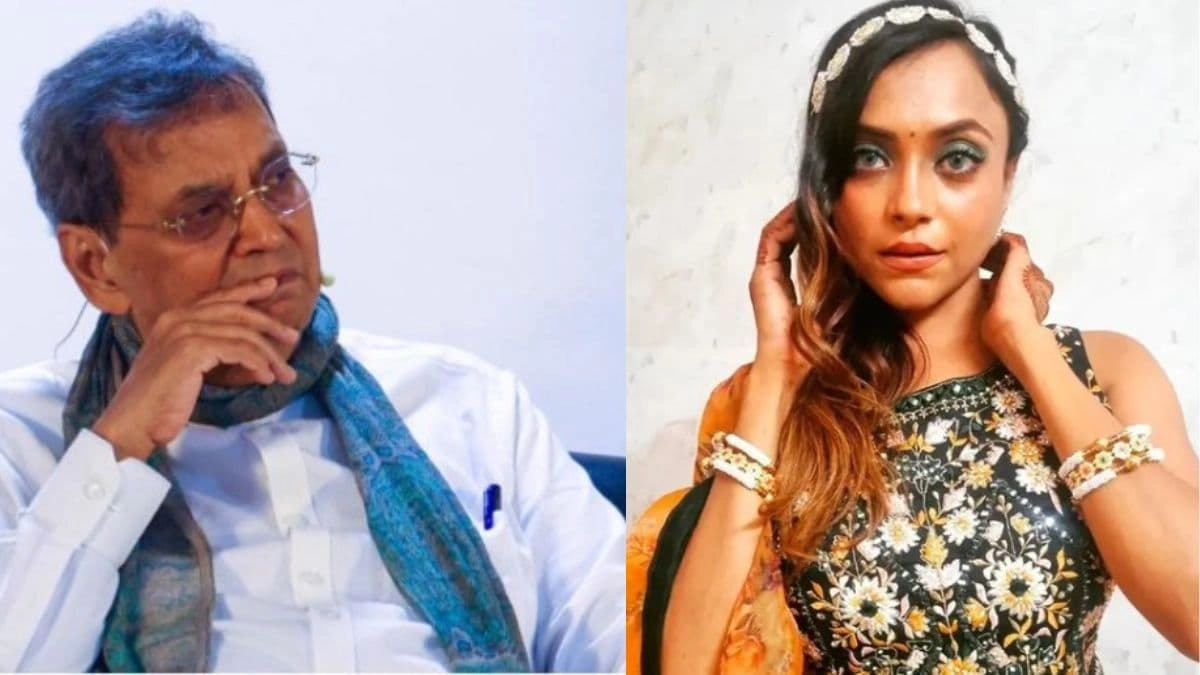
Subhash Ghai, the renowned filmmaker and producer, is currently contemplating legal action following serious allegations made by actress Nehal Vadoliya. Vadoliya has publicly accused Ghai of an inappropriate incident in which she claims he forcibly kissed her. This accusation has sparked widespread media attention, igniting discussions about the complexities of consent and the responsibilities of those in positions of power within the film industry.
The allegations were brought to light through a social media post where Vadoliya detailed her experience, prompting a swift response from Ghai’s camp. The filmmaker has categorically denied the claims, asserting that the allegations are baseless and fabricated. Ghai’s statement reflects his intention to protect his reputation, emphasizing his commitment to addressing the situation through legal channels. He believes that the truth will ultimately prevail, and he is prepared to defend himself against what he perceives as an unjust assault on his character.
This incident highlights ongoing conversations about harassment and misconduct in the entertainment industry, particularly regarding the treatment of women. As more individuals come forward with their stories, the need for accountability and a safe working environment becomes increasingly imperative. Ghai’s situation serves as a reminder of the challenges faced by both accusers and the accused in navigating such serious allegations, and it underscores the importance of due process in any legal actions that may follow.
The outcome of this situation remains to be seen, as both parties prepare for the next steps. Ghai’s contemplation of legal action suggests that he is taking the matter seriously and is willing to fight against what he views as character defamation. Meanwhile, Vadoliya’s courage in speaking out may encourage other individuals in the industry to share their own experiences, potentially leading to a broader dialogue about harassment and the need for reform in the industry. As the story unfolds, it will undoubtedly continue to resonate within the context of ongoing societal changes regarding consent, power dynamics, and the need for a more equitable environment in all workplaces.