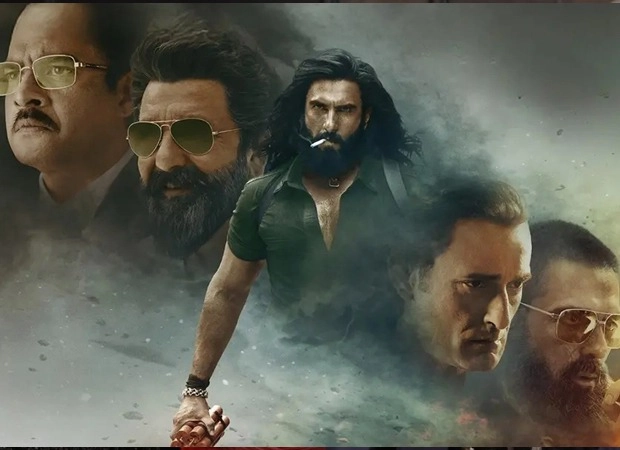
The Netflix version of “Dhurandhar” does indeed differ from the theatrical cut, sparking interest among fans and viewers alike. While both versions share the same core storyline, they exhibit variations in terms of content, pacing, and certain scenes. These adjustments were made to cater to the streaming audience, who often prefer a more concise and engaging viewing experience. The changes aim to enhance the narrative flow and ensure that the film maintains its impact throughout its runtime.
One of the notable differences lies in the editing and sequencing of scenes. The Netflix version may have trimmed certain sequences that were deemed less essential or that slowed down the story’s momentum. This decision was likely influenced by the evolving trends in film consumption, where viewers favor a quicker pace that keeps them engaged. Additionally, certain dialogues or sequences might have been altered or added to provide more context or depth to character development, thereby enriching the overall experience.
Moreover, the Netflix adaptation may feature variations in sound design and visual effects, optimizing the film for the streaming format. Such enhancements can significantly alter the viewing experience, making it more immersive and appealing to audiences who may be watching on various devices. With these modifications, the Netflix version of “Dhurandhar” presents a fresh take on the original, inviting both fans of the theatrical release and new viewers to engage with the story in a different light.
As streaming platforms continue to shape the way films are consumed, it is not uncommon for adaptations to diverge from their theatrical counterparts. This trend reflects a broader understanding of audience preferences and viewing habits, emphasizing the importance of accessibility and engagement in modern cinema. Ultimately, the differences between the Netflix version and the theatrical cut of “Dhurandhar” exemplify the ongoing evolution of storytelling in the digital age.