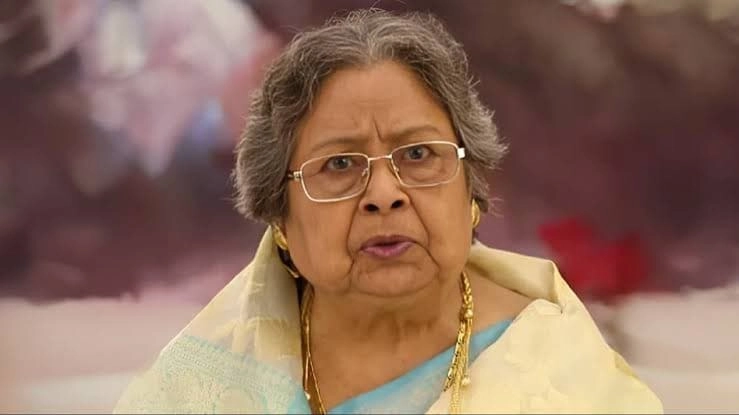
In a significant legal development, the Kerala High Court has issued an interim stay on the proceedings related to the FIR filed against actress Shwetha Menon in connection with the obscene films case. This decision comes as a relief for the actress, who has faced scrutiny and legal challenges following allegations concerning her involvement in the distribution or production of obscene content. The FIR, which triggered the legal proceedings, raised concerns about the impact on the reputation and career of Menon, a well-known figure in the Malayalam film industry.
The court’s order underscores the importance of due process and the need for thorough examination of the evidence before proceeding with legal action. By staying the proceedings, the High Court has provided a temporary respite for Menon, allowing her to continue her professional activities without the cloud of legal troubles hanging over her. This ruling reflects the judiciary’s role in balancing the rights of individuals against the interests of society, particularly in cases involving allegations that can have lasting repercussions on a person’s life and career.
Shwetha Menon, who has appeared in numerous films and has a significant fan following, expressed her relief at the court’s decision. The interim stay could pave the way for a more comprehensive review of the case, ensuring that justice is served without unwarranted harassment. The implications of this ruling extend beyond Menon, as it also highlights the broader issues surrounding the legal treatment of public figures in obscenity-related cases. The High Court’s intervention signals a recognition of the need to protect individual rights while addressing societal concerns about morality and decency in media representation.
As the legal proceedings unfold, many will be watching closely to see how the court navigates the complex interplay between freedom of expression and societal norms. The outcome of this case could set a precedent for similar cases in the future, influencing how such allegations are handled in the vibrant and dynamic landscape of Indian cinema. The attention garnered by this case may also prompt a wider discussion about the responsibilities of artists and filmmakers in portraying sensitive subjects, as well as the legal frameworks that govern artistic expression in the country.