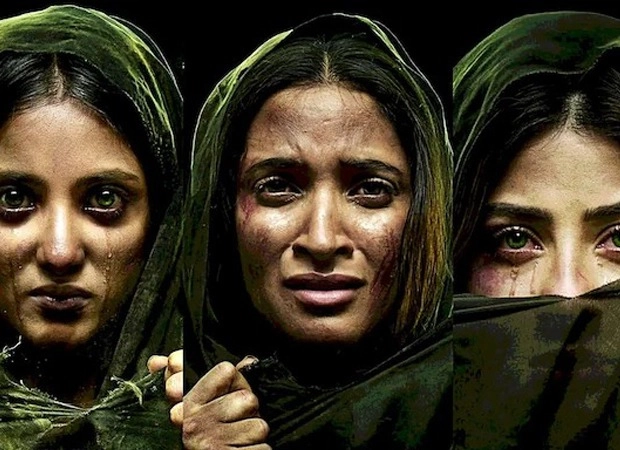
The Kerala High Court has intervened to suspend the release of the film “The Kerala Story 2,” raising significant questions regarding the U/A certification granted by the Central Board of Film Certification (CBFC). The court’s decision reflects concerns about the film’s content and its potential implications, particularly in relation to the manner in which it portrays sensitive social issues. The Kerala Story franchise has already stirred considerable controversy, and the court’s actions indicate a careful scrutiny of how films can influence public perception and societal narratives.
The U/A certification implies that the film is suitable for audiences aged 12 and above, but the court has expressed reservations about whether this classification adequately reflects the film’s themes and messages. The CBFC’s role in certifying films is crucial, as it determines what content can be accessed by various age groups. The High Court’s questioning of the CBFC’s decision underscores the ongoing debate about censorship, artistic expression, and the responsibilities of regulatory bodies in the Indian film industry.
This legal intervention not only puts a spotlight on “The Kerala Story 2” but also raises broader questions about the film industry’s relationship with regulatory authorities and the impact of cinema on societal norms. As the court deliberates on this issue, it will likely consider the balance between creative freedom and the potential consequences of disseminating certain narratives. The outcome of this case could set a precedent for future film certifications and the extent to which creative works are scrutinized in India, particularly those that touch upon contentious subjects.