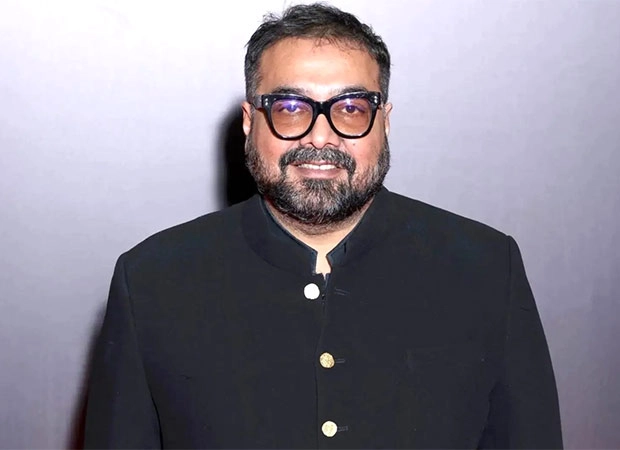
Anurag Kashyap, the renowned Indian filmmaker, has recently found himself embroiled in legal controversies due to comments he allegedly made regarding the Brahmin community. The situation escalated when a Surat court issued an order for the registration of a First Information Report (FIR) against him. This development highlights the growing tensions surrounding discussions about caste and community in India, particularly in the context of freedom of expression in the arts and media.
The remarks in question have drawn significant attention, sparking debates about the responsibilities of public figures when addressing sensitive social issues. Kashyap, known for his bold storytelling and critiques of societal norms, has often been a target for backlash due to his outspoken nature. The filmmaker has a history of tackling controversial themes in his work, but this incident has raised questions about the boundaries of artistic expression and the potential repercussions when those boundaries are perceived to be crossed.
Legal actions against public figures for their statements can lead to a chilling effect on discourse, particularly in a diverse country like India, where discussions around caste and identity can provoke strong reactions. As the case unfolds, it will be crucial to observe how it impacts not only Kashyap’s career but also the broader conversation about caste dynamics and the role of filmmakers and artists in addressing these complex social issues. The implications of this situation could resonate far beyond individual accountability, touching on the fundamental principles of free speech and the importance of dialogue in a pluralistic society.