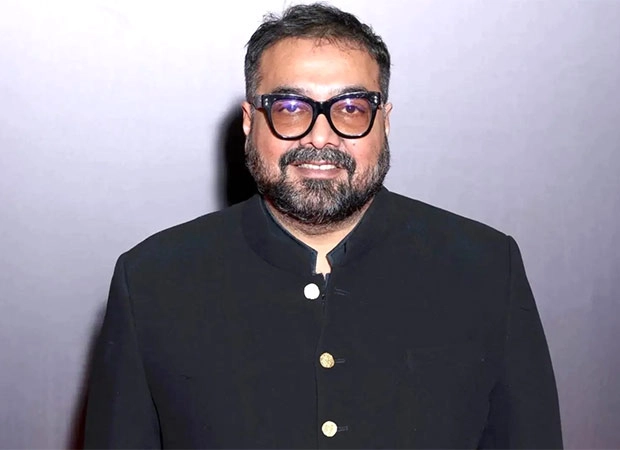
Anurag Kashyap, the acclaimed Indian filmmaker known for his provocative storytelling and unique cinematic style, has recently found himself embroiled in legal controversies following alleged remarks about the Brahmin community. The situation escalated when a complaint was filed against him, prompting a Surat court to order the registration of a First Information Report (FIR). This legal move underscores the serious implications of public statements made by influential figures, particularly in a country as diverse and sensitive to communal issues as India.
The controversy appears to stem from comments made by Kashyap that some members of the Brahmin community found offensive. As a result, the complaint alleges that these remarks could incite communal tensions, reflecting the delicate balance that public personalities must maintain when discussing topics related to caste and community in India. The filmmaker, known for his candid takes on society and culture, now faces the repercussions of his statements, which have sparked debates about freedom of speech and the responsibilities that come with it.
Kashyap’s case has reignited discussions surrounding the treatment of caste issues in India, where historical grievances and social dynamics continue to shape public discourse. The court’s decision to allow an FIR signifies a critical juncture where artistic expression and societal norms collide. This incident serves as a reminder of the potential fallout that can arise from controversial commentary, particularly when it touches upon sensitive subjects such as caste identity and community relations.
As the legal proceedings unfold, it remains to be seen how this situation will affect Kashyap’s career and public image. The filmmaker has often been a vocal critic of various societal issues, and this incident may further complicate his relationship with audiences and the film industry. The case raises fundamental questions about the limits of artistic expression, the role of public figures in shaping societal narratives, and the ongoing struggle for dialogue and understanding among India’s diverse communities.