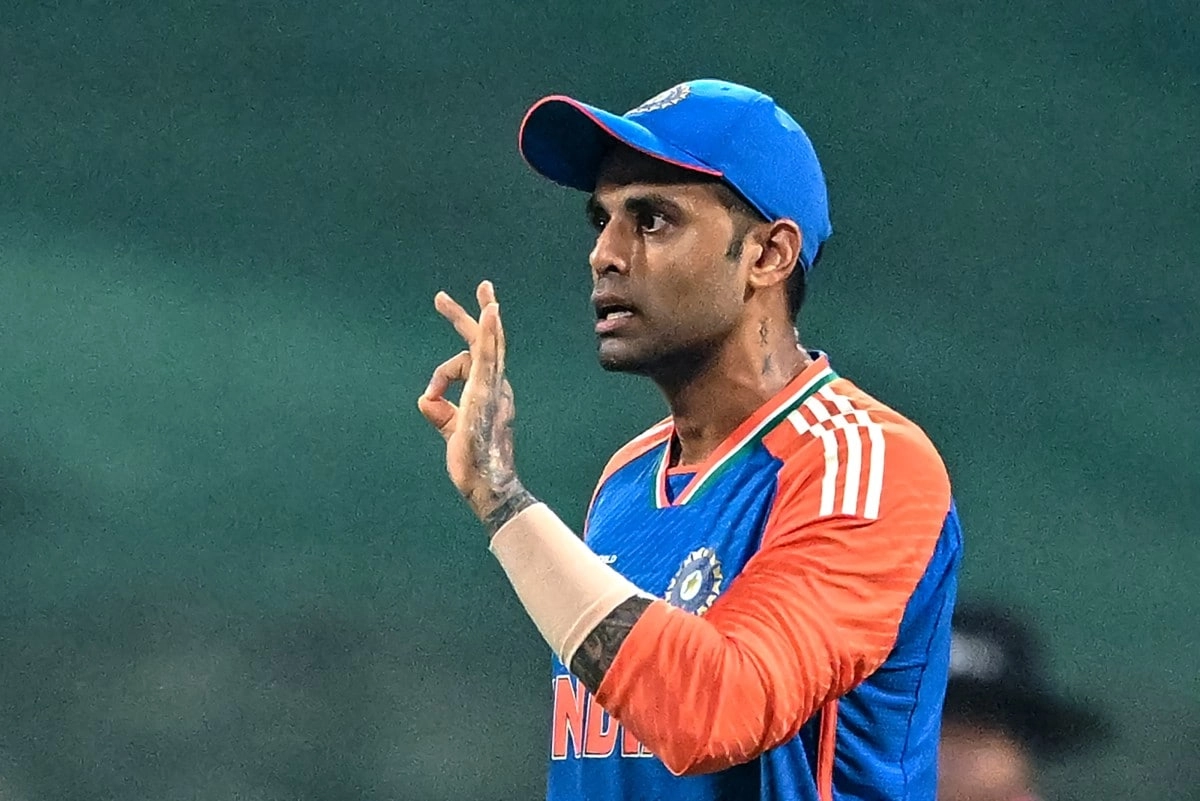
Suryakumar Yadav, the talented Indian cricketer, has recently found himself in the spotlight for controversial comments made during the Asia Cup 2025. Reports indicate that the International Cricket Council (ICC) has levied a fine against him due to remarks he made regarding the picturesque location of Pahalgam, a popular tourist destination in Jammu and Kashmir. The context of these comments seems to have stirred up considerable debate, leading to the ICC’s decision to impose a financial penalty. While specifics about the remarks have not been disclosed in detail, it is clear that they did not sit well with the cricketing governing body, prompting them to take action.
In response to the fine, the Indian cricket team management has decided to appeal the ICC’s verdict. The appeal suggests that Yadav and his team believe there may have been a misunderstanding or misinterpretation of his words. This decision to contest the fine reflects the broader sentiment within the Indian cricketing community, where players often find themselves navigating the complexities of public statements in an era of heightened scrutiny. The appeal process could involve a review of the comments made by Yadav, as well as the context in which they were delivered, highlighting the challenges athletes face when addressing sensitive topics.
The incident has sparked discussions among fans and analysts alike, raising questions about the extent to which athletes should be held accountable for their words, especially in a multicultural and diverse environment like cricket. Pahalgam, being a region with significant cultural and political history, could amplify the impact of any comments made about it. As the appeal unfolds, it will be interesting to see how the ICC responds and whether they maintain their stance, or if there will be a reconsideration of the fine imposed on Yadav. This situation underscores the importance of communication in sports and how athletes must be mindful of their public statements in an increasingly interconnected world.