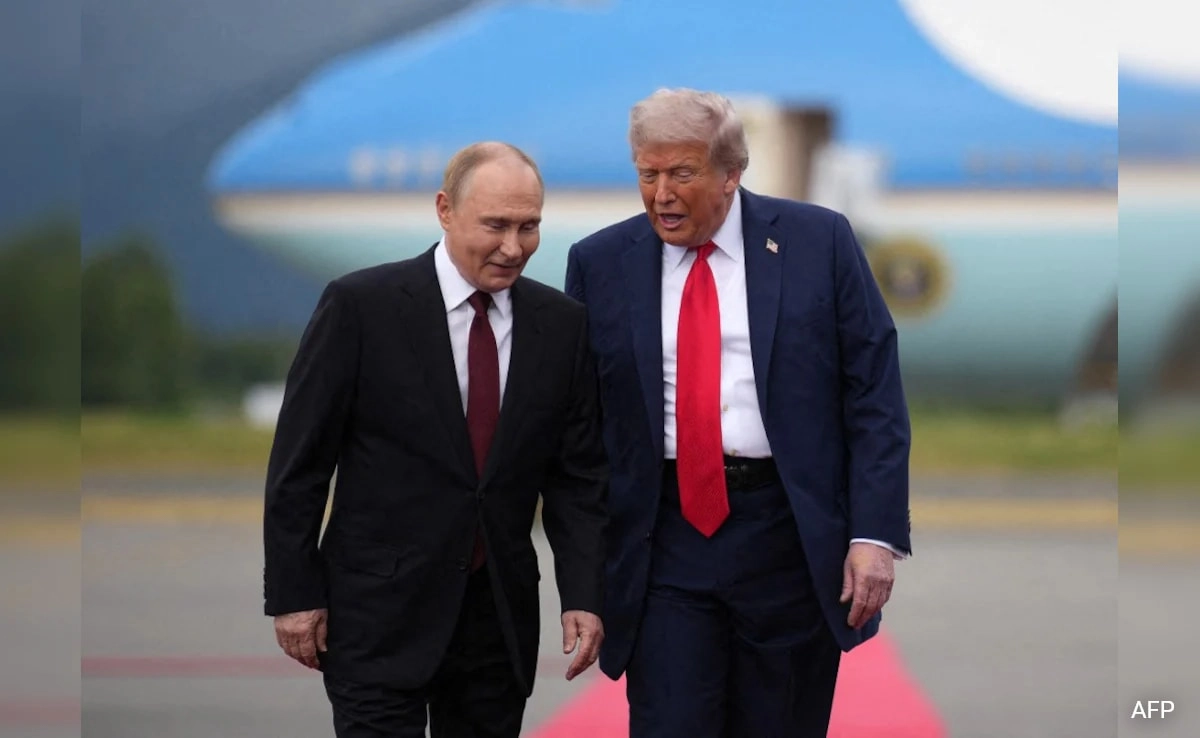
In a recent statement, former President Donald Trump expressed his disillusionment regarding the ongoing conflict in Ukraine, revealing that he initially believed the war would be “easy to solve.” Trump’s remarks shed light on his perspective of the situation, suggesting that he had underestimated the complexities involved in international conflicts, particularly one as multifaceted as the war in Ukraine. His admission reflects a broader narrative of miscalculation that often accompanies political discussions surrounding military engagements and foreign policy decisions.
Trump’s comments highlight a significant shift in his understanding of the geopolitical landscape. Initially, he may have viewed the conflict through a lens of optimism, perhaps imagining a swift resolution through negotiation or diplomatic channels. However, the reality of the situation has proven far more intricate, involving not only military strategy but also deep-rooted historical tensions, national sovereignty issues, and the intricate web of alliances and enmities that characterize global politics. The war has persisted, defying quick solutions and requiring sustained international attention and intervention.
The former president’s expression of disappointment also raises questions about leadership and the expectations placed on political figures when it comes to foreign policy. Leaders are often expected to navigate complex international waters with a clear vision and effective strategies, yet the unpredictable nature of warfare can lead to unexpected challenges. Trump’s realization that the Ukraine conflict is not as easily resolvable as he had once thought underscores the importance of informed decision-making and the need for a nuanced understanding of global affairs. As the situation continues to evolve, it serves as a reminder of the delicate balance that must be maintained in international relations and the unpredictable nature of conflict resolution.
In summary, Trump’s reflections on his initial perceptions of the Ukraine war reveal a deeper narrative about the challenges of foreign policy and the often unrealistic expectations surrounding conflict resolution. His acknowledgment of the difficulties inherent in the situation is not just a personal admission; it speaks to the broader complexities leaders face when dealing with international crises. For policymakers, understanding these intricacies is crucial as they strive to navigate an ever-changing global landscape.