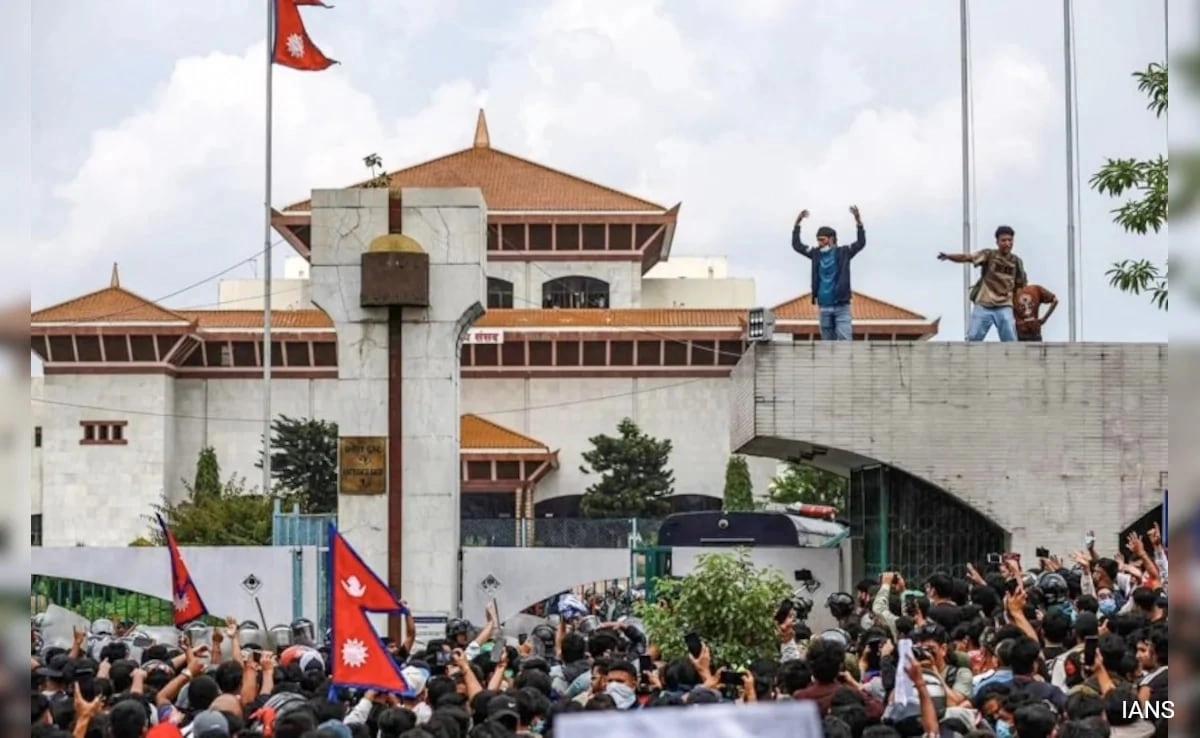
In recent months, Nepal has witnessed a robust protest movement that has targeted the country’s elite, including influential figures in Parliament and the luxury hotel industry. This wave of dissent is rooted in widespread frustration over socio-economic disparities and perceived corruption within the upper echelons of power. The protesters, representing a diverse cross-section of society, have been vocal about their demands for justice and accountability. Their actions have brought to light the stark contrast between the lavish lifestyles of the elite and the struggles faced by ordinary citizens, particularly in the wake of economic challenges exacerbated by the COVID-19 pandemic.
The movement gained momentum as citizens expressed their discontent with the government’s handling of issues such as unemployment, inflation, and inadequate public services. Protesters have taken to the streets, organizing rallies and demonstrations that often feature symbolic acts of defiance against luxury establishments. High-end hotels, which are often associated with the wealthy elite, have become focal points for these protests, as they represent the stark inequalities that many Nepalese face daily. Activists have highlighted how the resources and privileges enjoyed by the few stand in stark contrast to the struggles endured by the majority of the population.
Furthermore, the protests have also aimed at holding politicians accountable for their actions. Many demonstrators have accused elected officials of failing to address the pressing needs of the populace, opting instead to prioritize their interests and those of their affluent patrons. This has led to a growing demand for political reform and greater transparency in governance. Protesters are not only calling for changes in leadership but are also advocating for systemic reforms that would promote social equity and ensure that the voices of marginalized communities are heard and respected.
As the movement continues to unfold, it has galvanized a new generation of activists who are determined to challenge the status quo. Social media has played a significant role in amplifying their message, allowing for rapid organization and widespread dissemination of information. The ongoing protests have sparked important conversations about class, power, and the future of democracy in Nepal. The call for action is not just a fleeting moment; it signifies a deep-rooted desire for change that resonates across the nation, aiming to dismantle the barriers that have long separated the elite from the everyday lives of the average citizen. The impact of these protests could reshape the political landscape of Nepal, fostering a renewed commitment to social justice and equity in governance.