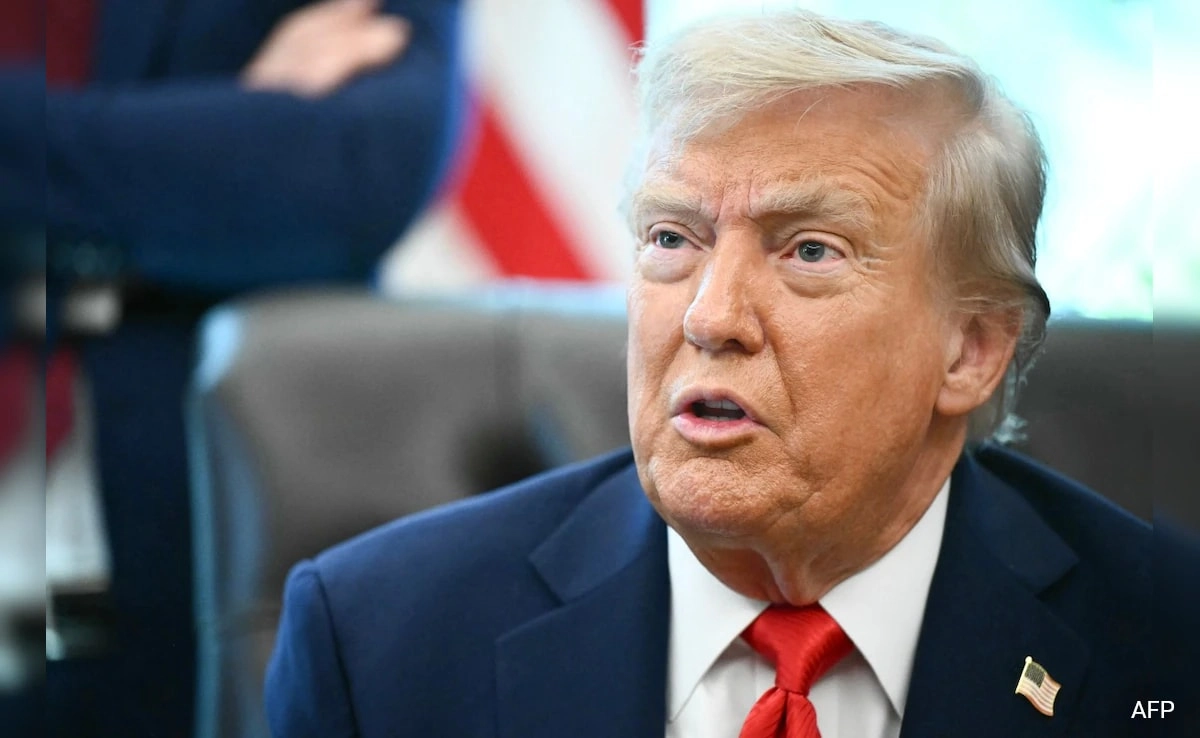
In a recent statement, former President Donald Trump revealed that he had issued a warning to both India and Pakistan regarding tariffs during a period of heightened tension between the two nations. This assertion sheds light on Trump’s approach to foreign policy, particularly how he utilized economic measures to influence international relations. As the conflict between India and Pakistan intensified, Trump claimed he communicated the potential for imposing tariffs, suggesting that such economic penalties could serve as a deterrent against further escalation.
The context of this warning is significant, given the historical backdrop of conflict between India and Pakistan, particularly over regions like Kashmir. Trump’s remarks point to his belief that economic leverage could play a crucial role in de-escalating tensions. By threatening tariffs, he aimed to incentivize both nations to seek diplomatic solutions rather than resorting to military action. This approach aligns with Trump’s broader strategy of using trade as a tool to negotiate and manage international disputes, a method that has garnered both support and criticism during his presidency.
Moreover, Trump’s comments highlight the complexities of diplomatic relations in South Asia. The region is characterized by deep-rooted rivalries and a delicate balance of power, making any intervention, whether economic or political, particularly challenging. By positioning tariffs as a potential consequence of aggressive actions, Trump sought to insert the United States into the dialogue, emphasizing America’s role as a mediator. However, the effectiveness of such tactics remains debatable, as the long-standing animosities between India and Pakistan often transcend economic considerations.
As the situation continues to evolve, Trump’s assertions prompt discussions about the role of tariffs and economic sanctions in global diplomacy. While some may argue that such measures can yield positive outcomes by promoting negotiations, others caution that they can exacerbate tensions and lead to unintended consequences. The interplay of tariffs and international relations serves as a reminder of the intricate dynamics that define global politics, particularly in regions fraught with conflict like South Asia. Ultimately, Trump’s warning to India and Pakistan underscores the ongoing challenges in achieving lasting peace and stability in a region marked by historical animosities and complex geopolitical interests.