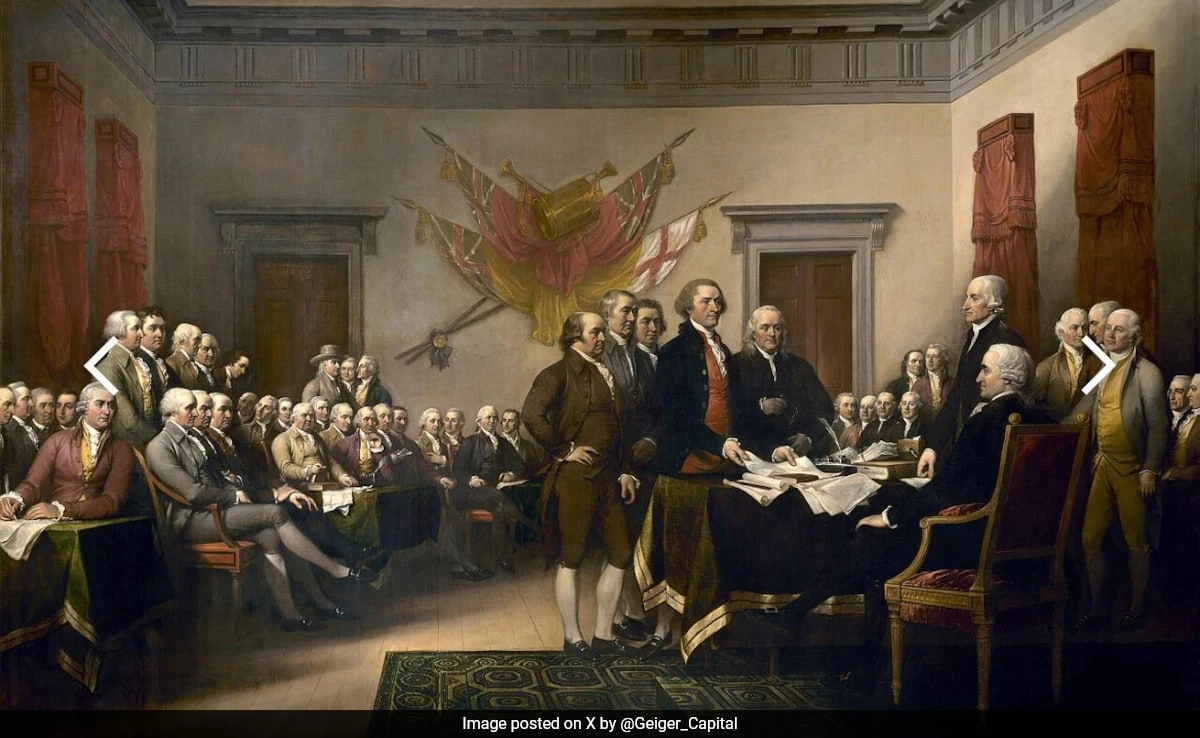
The Fourth of July, known as Independence Day, marks a significant milestone in American history as it commemorates the adoption of the Declaration of Independence on July 4, 1776. This pivotal event not only symbolized the birth of the United States but also set in motion a series of transformative events that would shape the nation’s future. Following the declaration, the Revolutionary War continued to rage as the thirteen colonies fought against British rule. Key battles, such as those at Saratoga and Yorktown, would eventually lead to the colonies securing their independence in 1783, solidifying their status as a new nation.
In the years following independence, the United States faced the daunting task of establishing a functional government. The Articles of Confederation were initially adopted, but their weaknesses became evident, leading to the Constitutional Convention in 1787. This resulted in the creation of the U.S. Constitution, which was ratified in 1788, laying the groundwork for a federal system of governance. The Bill of Rights, ratified in 1791, further cemented the principles of democracy and individual liberties that would define the nation. As America expanded westward, it grappled with issues such as slavery, territorial disputes, and the balance of power between state and federal authorities.
The 19th century brought about significant challenges and changes. The nation experienced growing pains, with the War of 1812 reinforcing its sovereignty and the Missouri Compromise attempting to manage the contentious issue of slavery’s expansion. As the United States expanded its territory through purchases and conflicts, including the Louisiana Purchase and the Mexican-American War, it also faced internal strife. The Civil War erupted in 1861, fundamentally altering the nation’s trajectory. The war’s conclusion in 1865 and the subsequent Reconstruction era aimed to heal the nation and integrate formerly enslaved individuals into society, highlighting the ongoing struggle for civil rights.
As the United States entered the 20th century, it emerged as a global power, participating in World Wars I and II, which further defined its role on the world stage. The post-war era ushered in a time of prosperity and social change, with movements advocating for civil rights, women’s suffrage, and labor rights gaining momentum. The Fourth of July continues to be a day of reflection on the progress made since the birth of the nation, celebrating not just independence but also the ongoing pursuit of liberty, equality, and justice for all citizens. Today, Americans gather to honor their history, recognizing both the triumphs and struggles that have shaped the nation into what it is today.