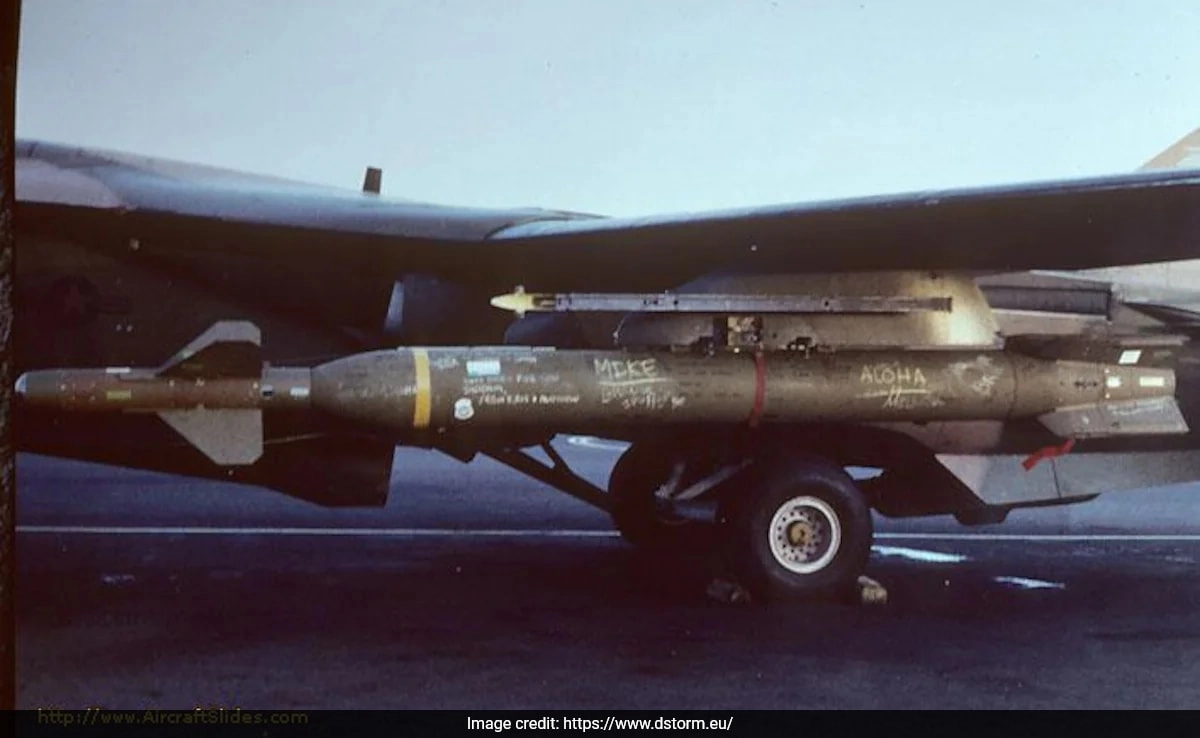
The GBU-28, a powerful bunker-buster bomb developed by the United States, played a pivotal role during the Gulf War, particularly in the context of the conflict with Iraq led by Saddam Hussein. This bomb was specifically designed to penetrate fortified underground structures, making it an ideal weapon for targeting Saddam’s command and control facilities that were hidden deep within the earth. As the war progressed, it became clear that traditional airstrikes were insufficient to dismantle the extensive network of bunkers and tunnels that comprised Saddam’s last line of defense. The GBU-28 emerged as a game-changer, striking fear into the heart of Saddam’s military leadership.
The development and deployment of the GBU-28 highlighted the technological advancements in military weaponry during the late 20th century. With its ability to penetrate up to 30 feet of reinforced concrete, the bomb was capable of destroying underground facilities that housed critical military assets and strategic command centers. The psychological impact of such a weapon was profound, as it not only destroyed material resources but also shattered the morale of Iraqi forces. The realization that their most secure locations could be compromised by this advanced technology contributed to a sense of impending doom among Saddam’s military commanders.
In the final stages of the Gulf War, the GBU-28 was instrumental in neutralizing Saddam’s last hope for a counteroffensive. The targeted strikes effectively dismantled key operational capabilities, leaving Iraqi forces vulnerable and disorganized. The precision and efficacy of the GBU-28 underscored a new era of warfare, where technology could decisively alter the course of battle. The psychological warfare waged through such advanced munitions played a critical role in the swift conclusion of hostilities, reinforcing the United States’ military dominance in the region.
Ultimately, the legacy of the GBU-28 extends beyond its immediate impact on the Gulf War, serving as a symbol of the United States’ military prowess and the evolving nature of modern warfare. The bomb not only marked a turning point in the conflict but also set a precedent for future military engagements, where precision-guided munitions would take center stage. As the world witnessed the effectiveness of the GBU-28, it became clear that the balance of power had shifted, and the specter of advanced military technology would loom large over future conflicts. This transformation in warfare dynamics left an indelible mark on international relations and military strategy for years to come.