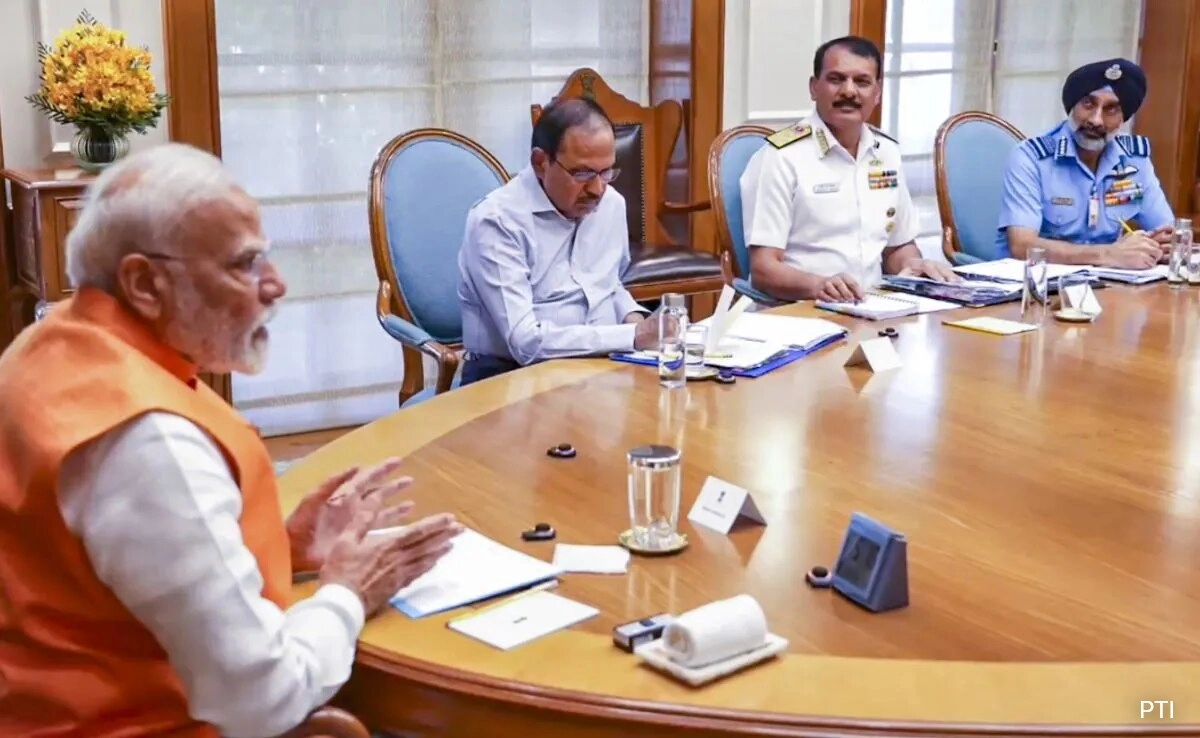
Prime Minister Narendra Modi recently held a crucial meeting with Air Chief Marshal AP Singh, reflecting the heightened tensions between India and Pakistan. Sources indicate that this discussion was primarily focused on the current security landscape and the operational readiness of the Indian Air Force (IAF) amid ongoing geopolitical challenges. The meeting underscores the government’s commitment to ensuring national security, particularly in light of recent developments that have raised concerns regarding border stability and military preparedness.
With the backdrop of escalating tensions, the Prime Minister and the Air Chief Marshal reviewed various strategic options available to India. The dialogue likely included assessments of the IAF’s capabilities, including the status of various aircraft and the readiness of personnel. Such meetings are critical as they enable the government to align military strategies with diplomatic efforts, ensuring a comprehensive approach to national security. The involvement of the Air Chief Marshal highlights the importance of aerial power in India’s defense strategy, especially in a region where air supremacy can play a pivotal role in conflict scenarios.
Furthermore, the meeting may also have addressed the need for enhanced cooperation among armed forces branches, particularly in intelligence sharing and joint operations. As the situation with Pakistan remains complex, characterized by both military and non-military threats, it is essential for India’s defense establishment to remain agile and responsive. The Prime Minister’s engagement with military leadership not only reinforces the civilian oversight of the armed forces but also signals to both domestic and international audiences that India is prepared to defend its sovereignty and interests decisively.
In this context, the strategic dialogue between Modi and Singh can be seen as a proactive measure to bolster India’s defense posture. The government’s emphasis on modernizing the military and upgrading its capabilities aligns with a broader vision of national security that prioritizes readiness in the face of potential threats. As the geopolitical landscape continues to evolve, such meetings will be vital in shaping India’s response to emerging challenges, ensuring that the nation remains resilient and prepared for any eventuality.