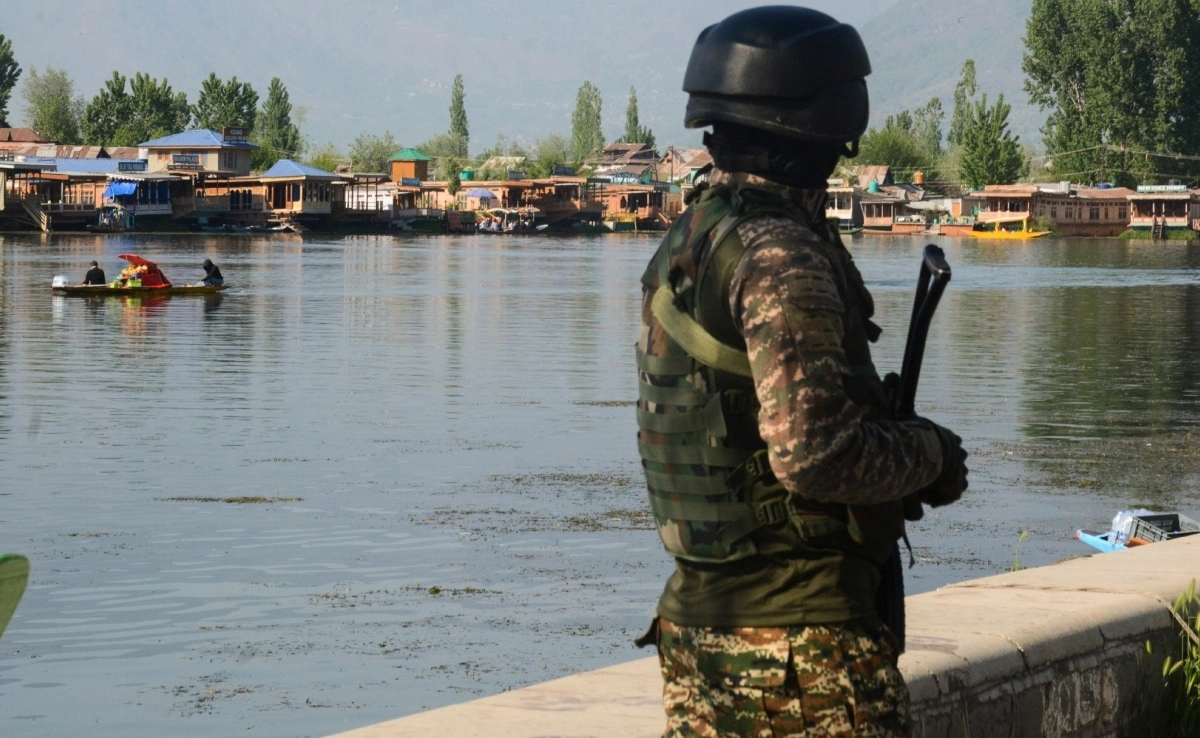
In recent developments concerning the terror attack in Pahalgam, tensions have escalated significantly as reports indicate that Pakistan has resumed firing across the border. This uptick in hostilities comes in the wake of a serious incident that has raised alarms regarding security protocols and the ongoing threat of terrorism in the region. The attack in Pahalgam has not only put local security forces on high alert but has also prompted a broader discussion about national security strategies in light of persistent cross-border violence.
In response to these alarming developments, Prime Minister Narendra Modi is set to convene a crucial security meeting today. This gathering will involve key security officials and advisors who will assess the current situation and explore strategic responses to the provocations from Pakistan. The meeting underscores the government’s commitment to ensuring national security and addresses the need for a robust response to any threats posed by terrorist activities. The Prime Minister’s proactive approach is aimed at reinforcing the message that India will not tolerate such acts of aggression and will take all necessary measures to protect its citizens.
As the situation unfolds, there is a palpable sense of urgency among the security agencies to devise effective countermeasures. The recent events have sparked discussions about enhancing intelligence operations, bolstering border security, and ensuring rapid response capabilities to thwart potential terrorist plots. The government is also likely to consider diplomatic channels to address the issue, seeking international support to combat terrorism and hold accountable those who perpetuate violence. Overall, the Pahalgam terror attack and the subsequent border firing from Pakistan highlight the critical challenges facing India in maintaining peace and security in the region. The outcomes of today’s key security meeting may set the tone for future actions and policies aimed at safeguarding national interests.