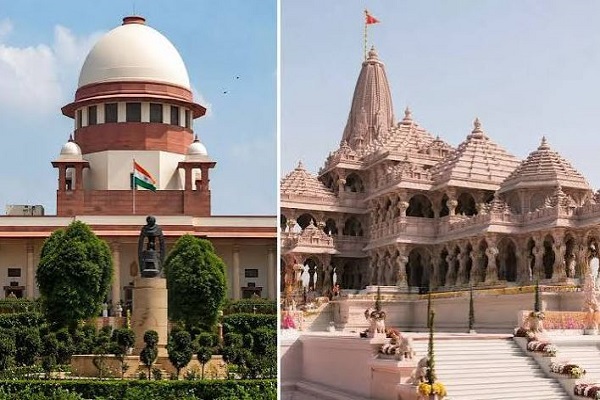
In a significant development concerning the ongoing investigation into the theft of offerings at the Ram Temple, a new Special Investigation Team (SIT) has been established following directives from the Supreme Court. This case has garnered considerable attention, as it involves the sacred offerings made by devotees at one of India’s most revered religious sites. The Supreme Court’s intervention signifies the seriousness of the situation and underscores the need for a thorough examination of the circumstances surrounding the theft.
The newly formed SIT is expected to bring fresh perspectives and expertise to the investigation. Among the suggestions for its composition is the inclusion of a chartered accountant, which highlights the complexity of the financial aspects involved in the case. The financial transactions associated with the temple’s offerings are not only crucial for understanding the theft but also for ensuring transparency and accountability in the management of religious funds. The involvement of a chartered accountant could help trace the flow of money and identify any irregularities in the handling of donations and offerings.
As the investigation unfolds, the SIT will likely focus on gathering evidence, interviewing witnesses, and analyzing financial records. The establishment of this team reflects the importance of maintaining the integrity of religious institutions and protecting the sentiments of devotees. The Supreme Court’s directive aims to ensure that justice is served and that those responsible for the theft are held accountable. This case serves as a reminder of the need for rigorous safeguards in the management of religious funds and the protection of sacred offerings, which hold immense significance for millions of believers.
The Ram Temple, being a symbol of faith for many, has now found itself at the center of a controversy that raises questions about security, management practices, and the ethical handling of donations. The outcome of this investigation will not only impact the temple’s reputation but also restore the trust of its devotees, who contribute generously to its upkeep and operations. As the SIT embarks on this crucial task, the spotlight remains on the processes that govern religious institutions and the importance of ensuring that they are free from malpractices.