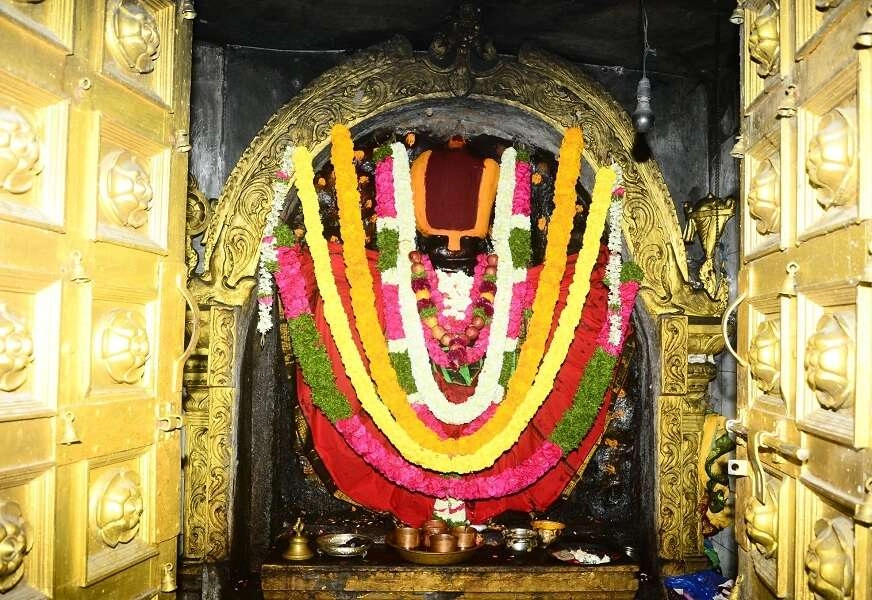
In a remote part of India, there exists a miraculous temple that has captivated the minds of countless devotees and researchers alike. This temple, over 4,000 years old, is shrouded in mystery due to an extraordinary phenomenon that occurs within its sacred walls: a statue of a deity reportedly bleeds. This bizarre occurrence has led many to ponder the significance and origins of the temple, raising questions that have remained unanswered for centuries.
The temple is not just a place of worship; it is a site of deep spiritual intrigue. The blood that seeps from the idol is often interpreted as a divine sign, attracting pilgrims from far and wide who seek blessings and healing. The phenomenon has been documented in various texts and has been the subject of numerous investigations, yet no conclusive explanation has been found. Some attribute the bleeding to natural processes, while others believe it to be a miraculous act of the divine.
Despite modern scientific advancements, the mystery of this temple continues to baffle experts and enthusiasts. The local community holds onto their beliefs, viewing the bleeding idol as a symbol of hope and strength. This enduring faith has kept the temple alive through the ages, fostering a sense of unity and devotion among its followers. As people come and go, sharing their stories and experiences, the temple stands as a testament to the power of faith and the mysteries that lie beyond human understanding.
In essence, the temple embodies a rich tapestry of history, spirituality, and unanswered questions. It serves as a reminder that some aspects of life may remain inexplicable, revealing the thin veil between the known and the unknown. As long as the blood continues to flow, the allure of this ancient temple will persist, inviting curiosity and reverence from generations to come.