
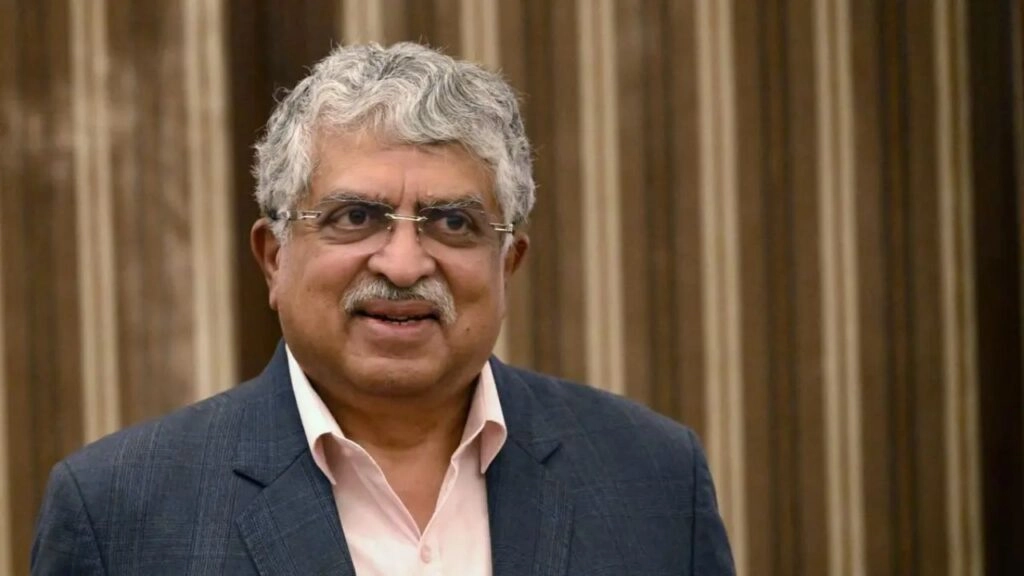
Nandan Nilekani is a prominent Indian entrepreneur and bureaucrat, best known for his role as the co-founder of Infosys, a leading global technology services company. His contributions to the IT industry have been significant, helping to shape India’s position as a global player in technology and software development. Beyond his corporate achievements, Nilekani has also made notable contributions to public service, particularly in the realm of governance and digital infrastructure. He served as the chairman of the Unique Identification Authority of India (UIDAI), where he was instrumental in implementing the Aadhaar project, which aims to provide a unique identification number to residents of India, thereby enhancing access to various government services and benefits.
In response to the evolving landscape of education and assessment in India, a high-powered task force is set to be established under the leadership of Nilekani. This initiative signals a proactive approach to address the challenges and inadequacies present in the current examination system. The task force will likely consist of experts from various fields, including education, technology, and policy-making, who will collaborate to propose comprehensive reforms. These changes aim to enhance the quality and accessibility of examinations, ensuring that they not only evaluate students’ knowledge effectively but also equip them with the skills necessary for the modern workforce.
The proposed changes to the examination system in India reflect a growing recognition of the need for innovation in educational assessments. Traditional examination methods have often been criticized for promoting rote learning and failing to adequately prepare students for real-world challenges. By reforming the examination system, the task force aims to create a more holistic approach to education, one that emphasizes critical thinking, problem-solving, and creativity. The anticipated reforms could encompass various aspects, including the introduction of technology-driven assessments, diversified evaluation methods, and a greater focus on formative assessments rather than solely relying on high-stakes testing.
Ultimately, the establishment of this task force and the subsequent changes to the examination system represent a significant step toward modernizing education in India. By leveraging technology and innovative practices, the goal is to create an educational framework that not only assesses students more effectively but also aligns with the needs of a rapidly changing global economy. This initiative, led by influential figures like Nandan Nilekani, has the potential to transform the educational landscape in India, paving the way for a generation of learners who are better prepared for the challenges of the future.


