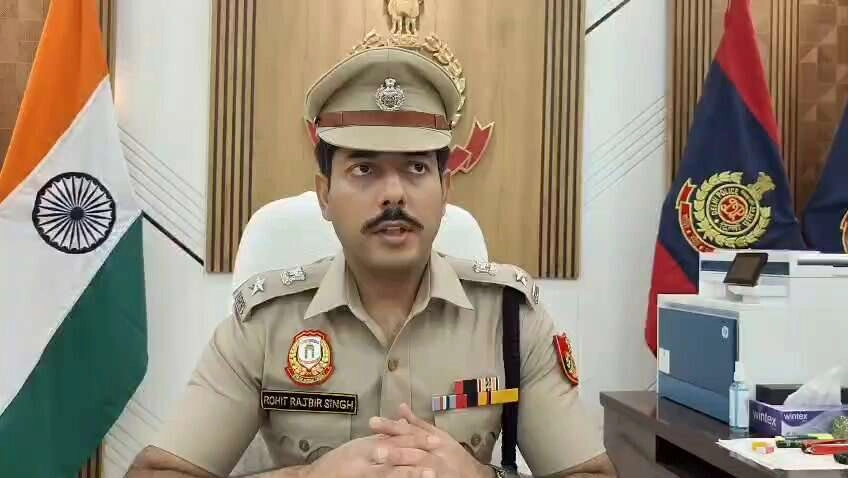
The controversy surrounding the CJP (Chief Justice of Pakistan) protest has taken a significant turn, with police clarifying the situation and revealing several important details. The protests, which initially raised concerns about the judicial system and its independence, have drawn substantial attention from both the media and the public. In an effort to manage the situation and address the rising tensions, law enforcement agencies have stepped in to provide clarity regarding the events that unfolded during the protests.
One of the major revelations from the police is the blocking of 480 Pakistani social media handles that were allegedly spreading misinformation and inciting unrest. This move has sparked a debate about freedom of expression versus the need for maintaining public order. The police emphasized that their actions were aimed at curbing the dissemination of false narratives that could potentially escalate tensions among the citizens. This decision has been met with mixed reactions; while some support the crackdown on misinformation, others argue that it infringes on individuals’ rights to express their opinions.
Additionally, authorities have disclosed other significant findings related to the protests, which include the identification of key individuals involved in organizing and inciting the demonstrations. The police have taken measures to ensure that the situation is brought under control, while also emphasizing the need for dialogue and a peaceful resolution. The ongoing situation highlights the complexities of governance, civil liberties, and the role of law enforcement in maintaining peace during politically charged events. As the country navigates through these challenges, the response of the judicial system and law enforcement will be closely scrutinized, impacting public perception and trust in these institutions.