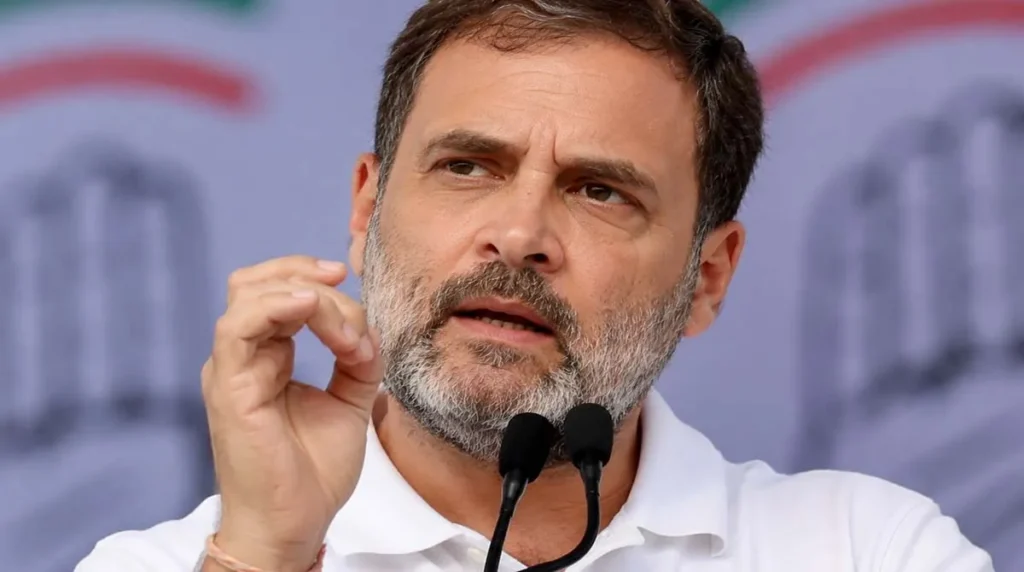
The political landscape in India experienced significant upheaval following a bold statement made by Rahul Gandhi, who demanded the resignation of Dharmendra Pradhan, the Minister of Education, and called for Prime Minister Narendra Modi to issue an apology. This declaration sent ripples through the political arena, igniting debates and discussions among party members and the public alike. Gandhi’s ultimatum reflects growing frustrations within the opposition regarding the government’s handling of various issues, particularly in the education sector, which has been a focal point of contention.
The context of Gandhi’s demand stems from several controversies that have plagued the current administration, with many critics arguing that the government’s policies have adversely impacted the education system in India. By placing responsibility on Pradhan, Gandhi aims to highlight perceived failures in leadership and accountability. The call for an apology from the Prime Minister serves to amplify the seriousness of the situation, signaling that the opposition is not just dissatisfied with policy outcomes but also with the broader governance approach of the ruling party.
As the political tension escalates, the response from the government will be closely scrutinized. Dharmendra Pradhan’s position as the Minister of Education places him at the center of this controversy, and his potential resignation could have significant implications for the government’s stability and public perception. Meanwhile, PM Modi’s reaction to Gandhi’s demand for an apology will also be pivotal, as it may influence the political narrative leading up to future elections. This standoff encapsulates the ongoing struggle for power and influence in Indian politics, with both sides gearing up for a battle that extends beyond mere policy disagreements to the very essence of leadership and accountability in governance.