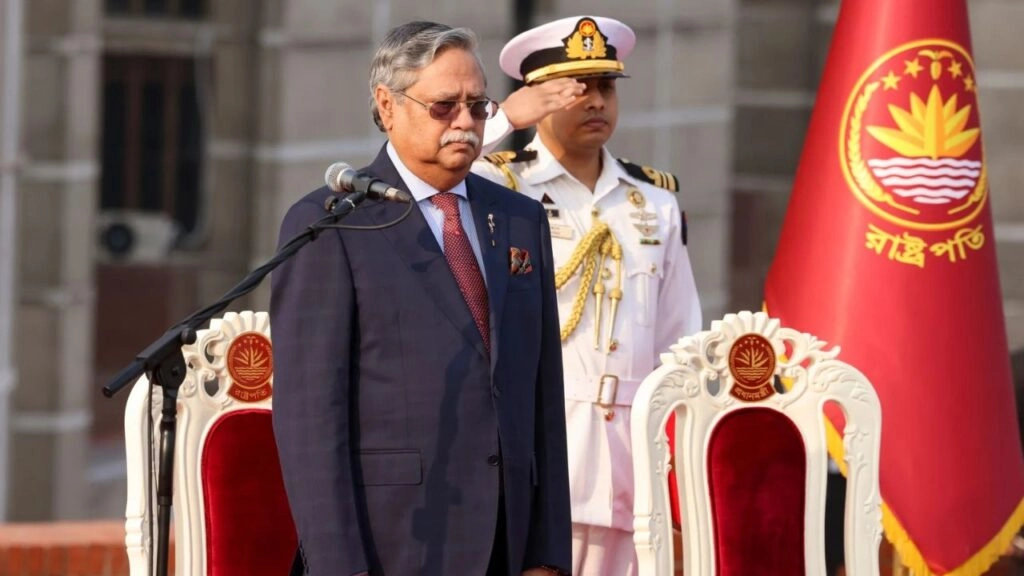
Bangladesh President Mohammed Shahabuddin’s resignation, occurring two years prior to the conclusion of his tenure, has sparked considerable discussion and speculation. His decision to step down was influenced by various factors, both personal and political. One of the primary reasons cited for his resignation is the increasing political tension and unrest within the country. In recent years, Bangladesh has experienced significant political turmoil, including violent protests and challenges to democratic processes. As the head of state, Shahabuddin faced immense pressure to navigate these turbulent waters, and the strain of leadership amid such instability likely contributed to his decision.
Additionally, Shahabuddin’s health has been a concern. Reports suggest that the president has been grappling with health issues, which may have prompted him to reconsider his ability to serve effectively in such a demanding role. The responsibilities of the presidency are substantial, and the demands placed upon a leader during times of crisis can be overwhelming. In light of his health challenges, it is plausible that Shahabuddin felt it was in the best interest of the nation to step aside and allow for new leadership that could address the pressing issues facing Bangladesh.
Moreover, the resignation may reflect a broader strategy within the ruling party to recalibrate its approach in light of upcoming elections. By stepping down, Shahabuddin could be paving the way for a new candidate who might inspire confidence among the electorate and help stabilize the political landscape. This move could be seen as an attempt to rejuvenate the party’s image and strengthen its position ahead of future electoral contests. In a political climate marked by uncertainty, the decision to resign may ultimately serve as a tactical maneuver aimed at fostering a more favorable environment for the ruling party and ensuring a smoother transition of power.
In conclusion, President Mohammed Shahabuddin’s resignation appears to be the culmination of personal health considerations, political pressures, and strategic party dynamics. As Bangladesh continues to navigate its complex political landscape, the implications of his resignation will likely resonate in the months leading up to the next elections, influencing the direction of the country and the legacy of his presidency.