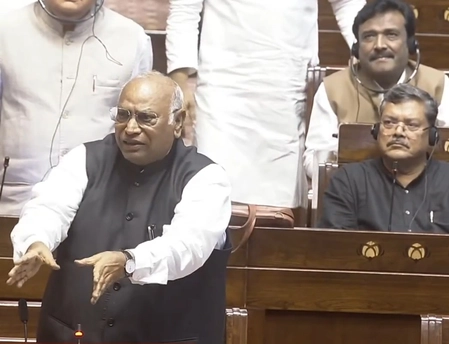
The Leader of the Opposition in the Rajya Sabha, Mallikarjun Kharge, has called for the resignation of the Education Minister before any discussions regarding the National Eligibility cum Entrance Test (NEET) can take place. Kharge’s statement reflects the growing concerns among various stakeholders regarding the current education policies and the handling of examination processes within the country. He emphasized that the Education Minister’s accountability is critical, particularly in light of ongoing issues that have plagued the education sector.
Kharge’s demand for the minister’s resignation highlights the deep-seated frustrations among students and parents alike, who have been affected by the implications of NEET and other entrance examinations. The NEET exam, which serves as a gateway for aspiring medical students, has faced criticism over its implementation, accessibility, and fairness. By insisting on the resignation, Kharge aims to draw attention to the need for a thorough reassessment of the education system, ensuring that it is transparent and equitable for all candidates.
Furthermore, Kharge’s remarks also underline the political dynamics surrounding educational reforms and the importance of leadership accountability in shaping policies that impact the future of millions of students. The discussion surrounding NEET is not just about the exam itself but also about the broader implications for the education system in India. A resignation could set the stage for a reevaluation of policies and practices that have been under scrutiny, potentially leading to reforms that align more closely with the needs and aspirations of students across the nation.
In conclusion, Kharge’s insistence on the resignation of the Education Minister before any serious dialogue about NEET underscores the critical intersection of politics and education in India. The call for accountability is a pivotal moment that could catalyze significant changes in the educational framework, with the potential to enhance fairness and accessibility in the examination process. As discussions unfold, it remains to be seen how the government will respond to these demands and what implications they will have for the future of education in the country.