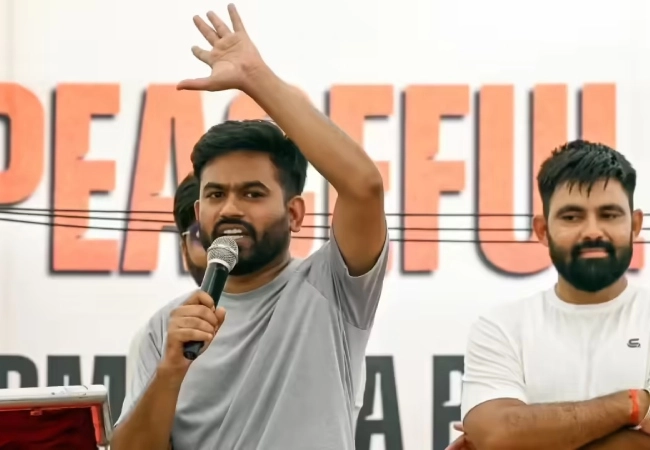
Saurabh Das and Ashutosh Ranka were reportedly detained and subjected to police baton charges outside the residence of J.P. Nadda, the president of the Bharatiya Janata Party (BJP). This incident has raised significant concerns regarding the treatment of political activists and the methods employed by law enforcement during protests. Abhijeet Deepke, a noted figure in the political landscape, brought attention to the situation, highlighting the events that unfolded and the circumstances surrounding their detention.
The context of the incident suggests that Das and Ranka were likely attempting to engage in dialogue or protest related to pressing political issues. However, their attempt to communicate their concerns was met with force, as police intervened with lathi charges, a method often used to disperse crowds in India. Such actions have sparked debates about the balance between maintaining public order and respecting the rights of individuals to express their dissent peacefully.
The detention of these activists at such a prominent location underscores the heightened tensions in the political environment, particularly as various parties vie for influence and support. It also raises questions about the approach taken by authorities in managing political protests and the implications of using force against individuals advocating for their rights. As the situation continues to develop, it is crucial for observers and political analysts to monitor the reactions from both the government and the broader public regarding the treatment of political dissenters in the country.