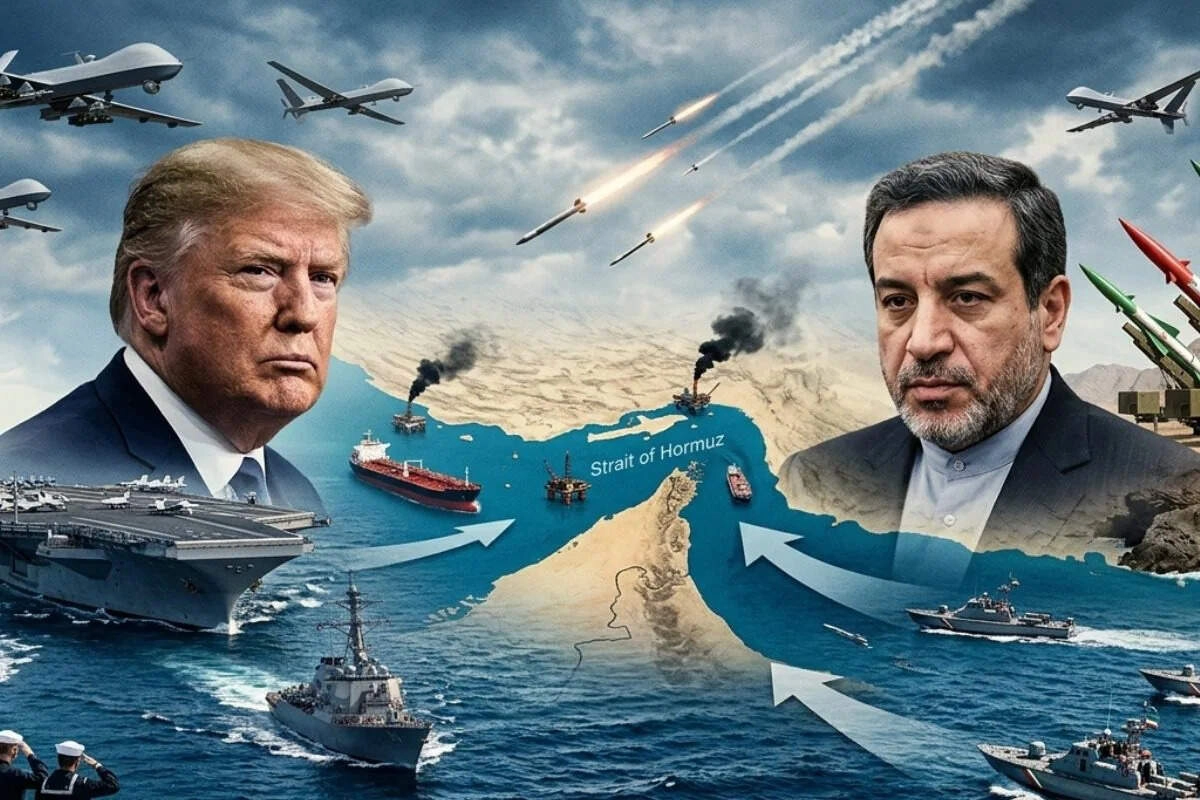
In a recent escalation of tensions between the United States and Iran, the Pentagon has revealed that around 100 American soldiers were injured during Iranian retaliatory strikes. This disclosure marks the first time the U.S. military has acknowledged the extent of injuries sustained by its personnel in these confrontations. The incidents underscore a significant increase in hostilities between the two nations, raising concerns about the potential for further escalation.
The release of this information comes amidst a backdrop of heightened military activities, with both countries exchanging attacks more frequently. The Pentagon’s acknowledgment serves as a stark reminder of the ongoing volatility in the region and the risks faced by U.S. forces stationed there. The injuries sustained by American troops are a serious concern, not only for their families but also for U.S. military strategy and foreign policy in the Middle East.
As the situation develops, both the U.S. and Iran seem to be caught in a cycle of retaliation, with each side responding to provocations from the other. This escalation could have far-reaching implications, not just for the two countries, but for regional stability as a whole. Observers fear that continued hostilities could lead to a broader conflict, drawing in other nations and complicating an already tense geopolitical landscape. The need for diplomatic dialogue is more urgent than ever as both sides navigate this precarious situation.