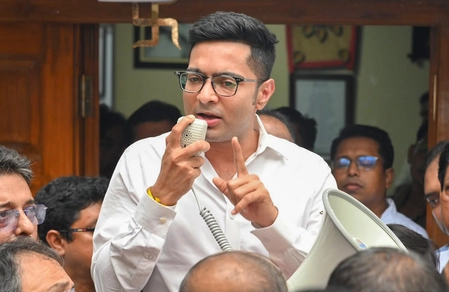
The monsoon session of the Indian Parliament has witnessed a significant shift in dynamics, particularly highlighted by the developments in the Lok Sabha. One of the notable events during this session has been the allocation of a seat to TMC leader Abhishek Banerjee, which has positioned him alongside former allies. This change not only reflects the evolving political landscape but also underscores the intricate relationships among various political factions in the country.
Abhishek Banerjee, a prominent figure in the Trinamool Congress, has been at the forefront of many political discussions. His new seat indicates a strategic maneuvering within the Lok Sabha, where alliances and oppositions are constantly being re-evaluated. The presence of former allies in close proximity to Banerjee may suggest a potential resurgence of collaboration among parties that previously worked together, or it could signal a more complex interplay of competition and camaraderie.
Moreover, this monsoon session is pivotal as it sets the stage for upcoming legislative actions and discussions on key issues. The alliances formed or reformed during this time could have long-lasting implications on governance and policy-making in India. As political parties navigate their relationships, the impact of these changes will likely resonate beyond the current session, shaping the agenda for future parliamentary activities.
In summary, the monsoon session has brought to the fore the shifting political equations within the Lok Sabha, particularly for leaders like Abhishek Banerjee. As the political climate continues to evolve, the interactions between former allies and the strategies employed by various parties will be crucial in determining the direction of Indian politics in the coming months.