The ongoing conflict between Iran and the United States has significantly impacted global markets, particularly in the energy sector. One of the most immediate effects of this conflict is the surge in crude oil prices, which have seen dramatic fluctuations due to fears of supply disruptions. As tensions escalate, the possibility of military action or sanctions raises concerns about the stability of oil supplies from the Middle East, a region that is crucial for the world’s energy needs. This volatility in crude oil prices not only affects the oil market but also has a ripple effect on various sectors, including transportation, manufacturing, and consumer goods.
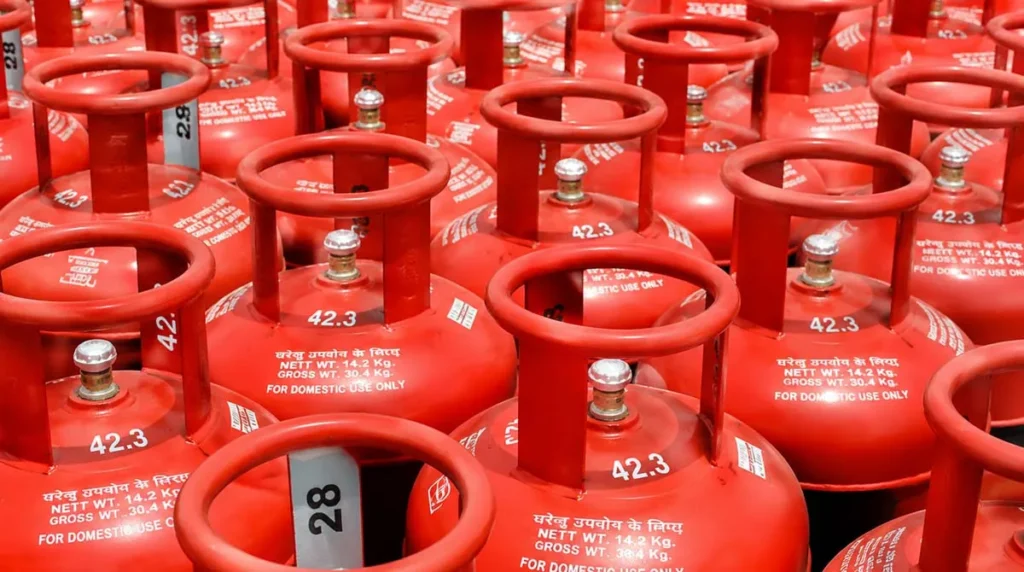
In addition to crude oil, the prices of liquefied petroleum gas (LPG) cylinders have also been influenced by the geopolitical situation. As crude oil prices rise, the cost of producing and transporting LPG tends to increase as well. This has led to higher prices for consumers, making everyday essentials more expensive. As of today, the price of LPG cylinders reflects these market conditions, showcasing the direct correlation between international conflicts and local commodity pricing. The public is increasingly concerned about how these rising costs will impact their budgets, particularly for families that rely on LPG for cooking and heating.
Moreover, the economic repercussions of the Iran-America war extend beyond just fuel prices. Inflationary pressures are mounting worldwide, as countries grapple with the consequences of rising oil prices and the potential for supply chain disruptions. Consumers are feeling the pinch, as essential goods become more expensive, prompting discussions about energy independence and sustainability. Governments may need to explore alternative energy sources and strategies to mitigate the impact of such conflicts on their economies and citizens. The situation continues to evolve, and stakeholders in the energy sector are closely monitoring developments to assess their potential implications on future pricing and availability of essential fuels like LPG.