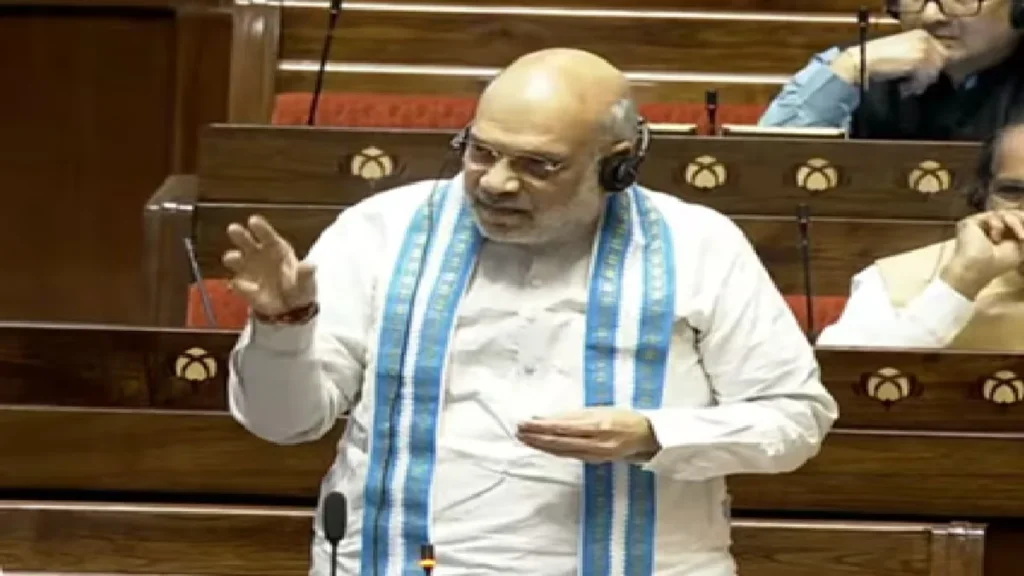
The Indian Parliament is set to witness a significant legislative move with the introduction of the Vande Mataram Bill, which will be presented by Home Minister Amit Shah on the inaugural day of the upcoming session. This bill aims to reinforce the importance of “Vande Mataram,” a revered national song that encapsulates the spirit of patriotism and national pride in India. The proposed legislation seeks to establish strict legal measures against acts of disrespect or obstruction related to this iconic anthem.
Under the provisions of the Vande Mataram Bill, individuals found guilty of insulting or obstructing the rendition of the song could face substantial penalties, including imprisonment for a specified duration. This move is indicative of the government’s intention to foster a culture of respect for national symbols and sentiments, particularly in a time when expressions of patriotism are both celebrated and debated in society. By instituting these legal consequences, the government aims to ensure that “Vande Mataram” is treated with the dignity it deserves, thereby reinforcing its status as a vital part of India’s cultural and historical identity.
The introduction of such a bill comes amid ongoing discussions surrounding national identity and the role of cultural symbols in unifying a diverse nation like India. Supporters of the legislation argue that it is essential to protect national pride, while critics may express concerns about potential overreach or misuse of the law. Nevertheless, the Vande Mataram Bill is poised to ignite conversations about patriotism, freedom of expression, and the responsibilities that accompany national pride as it moves through the parliamentary process. As the session unfolds, it will be crucial to observe how this bill is received by various stakeholders, including political parties, civil society, and the general public, and how it may shape the discourse surrounding national identity in India.