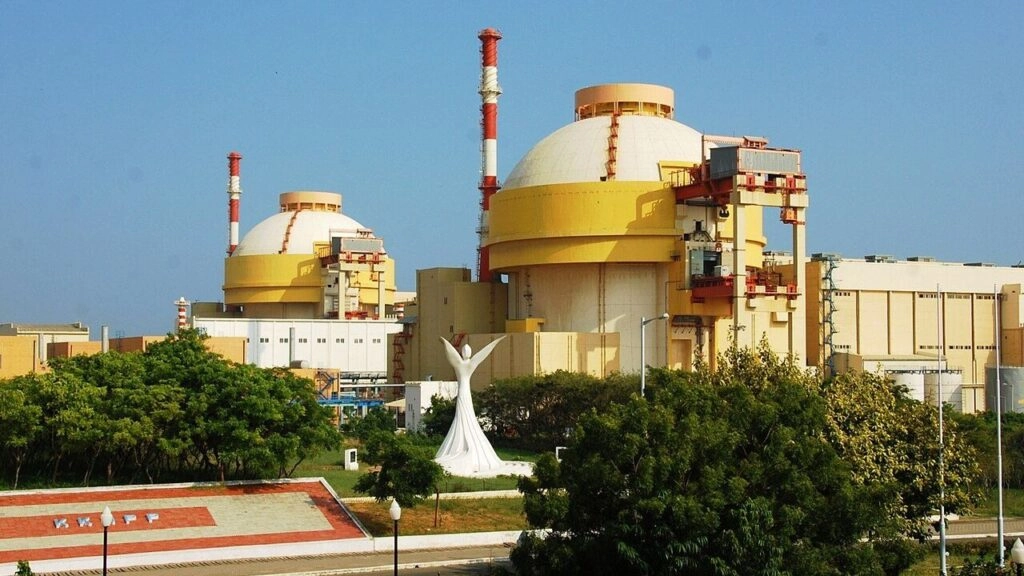
A significant cyber attack has targeted India’s largest nuclear facility, raising serious concerns about the security of critical infrastructure. Reports indicate that approximately 19,000 files have been leaked as a result of this breach, highlighting vulnerabilities that could have dire implications for national security. The attack has not only jeopardized sensitive information but has also sparked fears regarding the potential for more extensive disruptions to essential services.
The cyber assault is particularly alarming given the sensitive nature of a nuclear power plant’s operations. Such facilities require stringent security measures to prevent unauthorized access and ensure the safety of their processes. The leaked files are believed to contain critical data that could be exploited by malicious actors, potentially leading to more severe attacks in the future. Authorities are currently investigating the breach to assess the extent of the damage and identify the perpetrators behind this sophisticated cyber intrusion.
In response to the incident, the government has emphasized the need for enhanced cybersecurity measures across all sectors, especially in areas that manage national security. Experts warn that the increasing frequency and complexity of cyber attacks necessitate a robust and proactive approach to safeguard against potential threats. This situation serves as a wake-up call for organizations involved in critical infrastructure to prioritize cybersecurity and invest in advanced technologies to protect against future breaches. As investigations continue, the focus will be on fortifying defenses to ensure the integrity and safety of vital systems that underpin the nation’s infrastructure.