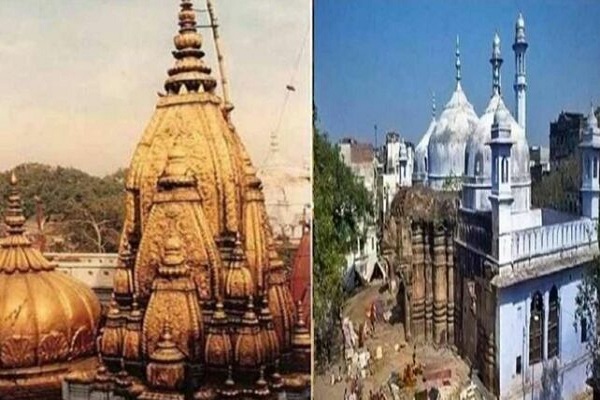
The Gyanvapi case, a highly contentious issue involving a mosque and a temple in Varanasi, India, has seen significant developments recently. The Hindu side has expressed its willingness to engage in mediation to resolve the ongoing dispute. This readiness for dialogue reflects a desire for a peaceful resolution to a matter that has long been a source of tension and conflict between the two communities. Mediation could provide a platform for both parties to negotiate and potentially reach an agreement that respects the sentiments and beliefs of all involved.
However, the Muslim side has been accused of rejecting the Supreme Court’s initiative for mediation. This refusal has raised concerns about the possibility of an amicable resolution to the dispute. The Supreme Court had hoped that mediation could help bridge the gap between the two sides, fostering a spirit of cooperation and understanding. By not participating in this initiative, the Muslim side may be perceived as hindering efforts to find a peaceful solution, which could prolong the legal battles and exacerbate communal tensions.
The Gyanvapi case is emblematic of broader issues related to religious identity and cultural heritage in India. The dispute not only encompasses legal questions but also touches upon deeply held beliefs and historical narratives. As such, mediation could serve as a crucial step towards addressing these complexities, allowing both communities to voice their concerns in a constructive manner. It is essential for both sides to recognize the potential benefits of dialogue, as it could pave the way for reconciliation and mutual respect, ultimately contributing to social harmony in a diverse society.
In conclusion, the Gyanvapi case highlights the intricate interplay of law, religion, and community relations in India. The willingness of the Hindu side to pursue mediation is a positive step, while the Muslim side’s rejection raises important questions about the path forward. A collaborative approach, facilitated by mediation, could help mitigate tensions and foster a more inclusive dialogue, which is essential for the future of communal relations in the region.